




-250x250w.jpg "GAUZE ROLL Egypt size 7 cm")
-250x250w.jpg "compress with cover")


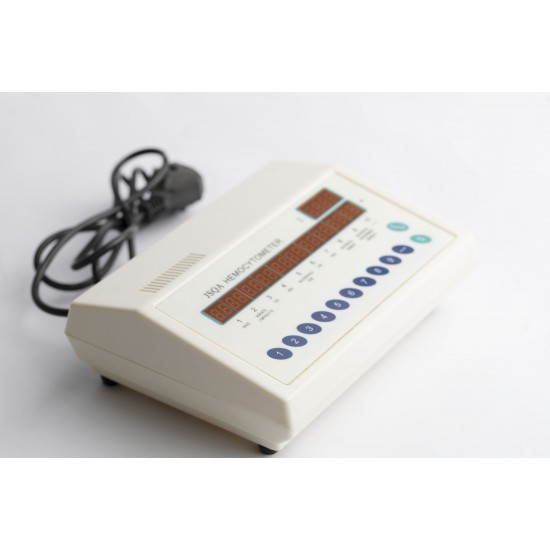

Hemocytometer blood count
about product
A Hemocytometer is a laboratory device used to count blood cells under a microscope. It is an essential tool in many medical laboratory tests, helping to determine the number of red blood cells, white blood cells, and platelets in a blood sample. This device is used to diagnose a variety of health conditions, such as anemia, infections, and blood disorders.
Description:
- Type: The hemocytometer is a glass slide that contains a grid or marked spaces where cells are counted under a microscope.
- Usage: It is primarily used in medical labs for counting blood cells but can also be used for counting cells in other body fluids or tissue samples.
- Components: The hemocytometer typically consists of a glass slide with a grid pattern etched into it. The grid helps to delineate the spaces where cells are counted. It is typically used with a microscope.
Features:
- Accurate Counting: Provides precise counting of cells in blood samples, making it an essential tool for numerous diagnostic tests.
- Ease of Use: Can be used by trained laboratory professionals.
- Versatility: It is not only used for blood cell counting but can also be used for counting cells in other body fluids such as cerebrospinal fluid or pleural fluid.
How It Works:
- Sample Preparation: A blood sample is collected from the patient using a needle.
- Placing the Sample on the Slide: A small amount of the blood sample is placed on the hemocytometer slide.
- Microscope Use: The slide is placed under a microscope, where the cells are counted within the grid spaces.
- Counting and Recording: The cells in the marked areas are counted, and the total number is calculated using specific formulas.
Applications:
- Anemia Diagnosis: Helps count red blood cells to determine the extent of a low red blood cell count.
- White Blood Cell Count: Assists in diagnosing infections or immune system disorders by counting the number of white blood cells.
- Platelet Count: Helps determine platelet levels in blood, which is important for diagnosing bleeding disorders.
- Blood Disorder Diagnosis: Useful for diagnosing conditions like leukemia or hemophilia.
SAR 800.00
Ex Tax: SAR 800.00
- Stock: 5
A Hemocytometer is a laboratory device used to count blood cells under a microscope. It is an essential tool in many medical laboratory tests, helping to determine the number of red blood cells, white blood cells, and platelets in a blood sample. This device is used to diagnose a variety of health conditions, such as anemia, infections, and blood disorders.
Description:
- Type: The hemocytometer is a glass slide that contains a grid or marked spaces where cells are counted under a microscope.
- Usage: It is primarily used in medical labs for counting blood cells but can also be used for counting cells in other body fluids or tissue samples.
- Components: The hemocytometer typically consists of a glass slide with a grid pattern etched into it. The grid helps to delineate the spaces where cells are counted. It is typically used with a microscope.
Features:
- Accurate Counting: Provides precise counting of cells in blood samples, making it an essential tool for numerous diagnostic tests.
- Ease of Use: Can be used by trained laboratory professionals.
- Versatility: It is not only used for blood cell counting but can also be used for counting cells in other body fluids such as cerebrospinal fluid or pleural fluid.
How It Works:
- Sample Preparation: A blood sample is collected from the patient using a needle.
- Placing the Sample on the Slide: A small amount of the blood sample is placed on the hemocytometer slide.
- Microscope Use: The slide is placed under a microscope, where the cells are counted within the grid spaces.
- Counting and Recording: The cells in the marked areas are counted, and the total number is calculated using specific formulas.
Applications:
- Anemia Diagnosis: Helps count red blood cells to determine the extent of a low red blood cell count.
- White Blood Cell Count: Assists in diagnosing infections or immune system disorders by counting the number of white blood cells.
- Platelet Count: Helps determine platelet levels in blood, which is important for diagnosing bleeding disorders.
- Blood Disorder Diagnosis: Useful for diagnosing conditions like leukemia or hemophilia.