

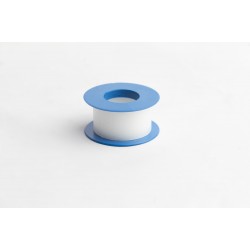
-250x250w.jpg "GAUZE ROLL Egypt size 7 cm")
-250x250w.jpg "compress with cover")
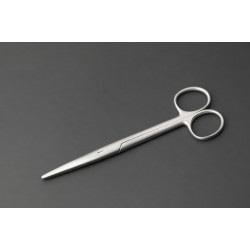


about product
Tayammum - The Dry Ablution
Tayammum is an alternative to the traditional ablution (wudu) when water is unavailable or when its use is not possible due to illness or disability. It is considered one of the methods of purification in Islam and is used in special circumstances.
How to Perform Tayammum:
- Intention (Niyyah): The person must intend to perform tayammum for purification before prayer or other acts of worship.
- Striking the Surface: Strike both hands on a clean, natural surface, such as dust, soil, or rocks. The surface should be free from impurities.
- Wiping the Face and Hands: After striking the surface, the person wipes their face with both hands, then wipes their hands from the wrists to the fingertips.
Situations When Tayammum Is Permitted:
✅ Lack of Water: If water is unavailable or very far, making it difficult to access.
✅ Illness or Injury: If the person is ill or has an injury and using water could cause harm.
✅ Fear of Harm: In cases where the person fears harm due to the lack of water or harsh environmental conditions.
Conditions for Tayammum:
???? Intention (Niyyah): The intention must be for purification in order to perform prayer or other religious acts.
???? Wiping the Face and Hands: Only the face and hands are wiped.
???? Clean Surface: The surface used for striking must be pure, such as dust or earth.
Benefits of Tayammum:
✔ Alternative to Ablution: Tayammum is a legitimate alternative when water is not available or cannot be used.
✔ Ease and Convenience: It can be performed anywhere without the need for water or special equipment.
✔ Health and Safety: Tayammum allows individuals who are ill or injured to perform their religious duties without harm.
???? Pro Tip: Tayammum should only be performed in circumstances that warrant it according to Islamic law. If water becomes available or can be used safely, the traditional wudu should be performed instead.
- Stock: 2-3 Days
Tayammum - The Dry Ablution
Tayammum is an alternative to the traditional ablution (wudu) when water is unavailable or when its use is not possible due to illness or disability. It is considered one of the methods of purification in Islam and is used in special circumstances.
How to Perform Tayammum:
- Intention (Niyyah): The person must intend to perform tayammum for purification before prayer or other acts of worship.
- Striking the Surface: Strike both hands on a clean, natural surface, such as dust, soil, or rocks. The surface should be free from impurities.
- Wiping the Face and Hands: After striking the surface, the person wipes their face with both hands, then wipes their hands from the wrists to the fingertips.
Situations When Tayammum Is Permitted:
✅ Lack of Water: If water is unavailable or very far, making it difficult to access.
✅ Illness or Injury: If the person is ill or has an injury and using water could cause harm.
✅ Fear of Harm: In cases where the person fears harm due to the lack of water or harsh environmental conditions.
Conditions for Tayammum:
???? Intention (Niyyah): The intention must be for purification in order to perform prayer or other religious acts.
???? Wiping the Face and Hands: Only the face and hands are wiped.
???? Clean Surface: The surface used for striking must be pure, such as dust or earth.
Benefits of Tayammum:
✔ Alternative to Ablution: Tayammum is a legitimate alternative when water is not available or cannot be used.
✔ Ease and Convenience: It can be performed anywhere without the need for water or special equipment.
✔ Health and Safety: Tayammum allows individuals who are ill or injured to perform their religious duties without harm.
???? Pro Tip: Tayammum should only be performed in circumstances that warrant it according to Islamic law. If water becomes available or can be used safely, the traditional wudu should be performed instead.