

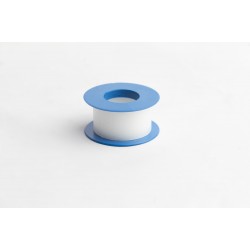
-250x250w.jpg "جاز رول مصر مقاس 7 سم")
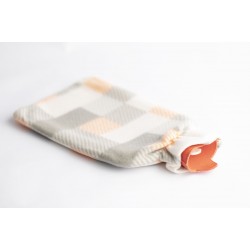
-250x250w.jpg "كمادة بغطاء")

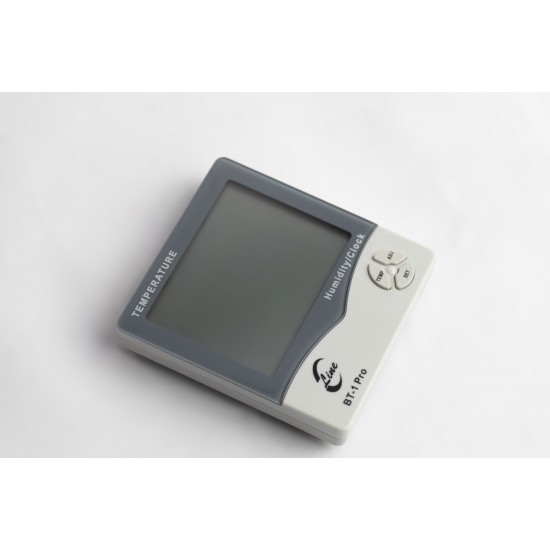

عن المنتج
Temperature and Humidity
Temperature and humidity is a term used to refer to the relationship between temperature and the amount of moisture (humidity) in the air. Humidity is typically measured using a device called a hygrometer, and it can be either relative or absolute.
Types of Humidity:
Relative Humidity: It is the percentage of the actual amount of moisture in the air compared to the maximum amount the air can hold at a specific temperature. For example, when relative humidity is 100%, the air is fully saturated with moisture and cannot hold any more.
Absolute Humidity: It refers to the actual amount of water vapor in a specific volume of air, usually measured in grams per cubic meter.
The Relationship Between Temperature and Humidity:
- At higher temperatures: Air can hold more water vapor, meaning the absolute humidity may increase even if the relative humidity is low.
- At lower temperatures: Air can hold less water vapor, leading to higher relative humidity. When the air reaches a certain point, the water vapor may condense into water droplets, a process known as condensation.
Effects of Humidity on the Environment:
- In hot and humid weather: People may feel hotter than the actual temperature because the high relative humidity makes it harder for sweat to evaporate from the skin, reducing the body’s cooling ability.
- In dry and cold weather: People may feel colder because the dry air reduces the body's ability to retain heat.
Uses of Humidity Measurement:
✅ In weather forecasting: Humidity measurements help determine how comfortable the weather will feel. High humidity often makes hot temperatures feel more intense.
✅ In agriculture: Farmers use humidity measurements to adjust the optimal conditions for plant growth.
✅ In industry: Humidity is important in various industries, such as food, pharmaceuticals, and technology, to maintain quality control.
???? Tip: In humid weather, using an air conditioner or fan can help improve comfort by reducing the effects of high humidity.
- Stock: 5
Temperature and Humidity
Temperature and humidity is a term used to refer to the relationship between temperature and the amount of moisture (humidity) in the air. Humidity is typically measured using a device called a hygrometer, and it can be either relative or absolute.
Types of Humidity:
Relative Humidity: It is the percentage of the actual amount of moisture in the air compared to the maximum amount the air can hold at a specific temperature. For example, when relative humidity is 100%, the air is fully saturated with moisture and cannot hold any more.
Absolute Humidity: It refers to the actual amount of water vapor in a specific volume of air, usually measured in grams per cubic meter.
The Relationship Between Temperature and Humidity:
- At higher temperatures: Air can hold more water vapor, meaning the absolute humidity may increase even if the relative humidity is low.
- At lower temperatures: Air can hold less water vapor, leading to higher relative humidity. When the air reaches a certain point, the water vapor may condense into water droplets, a process known as condensation.
Effects of Humidity on the Environment:
- In hot and humid weather: People may feel hotter than the actual temperature because the high relative humidity makes it harder for sweat to evaporate from the skin, reducing the body’s cooling ability.
- In dry and cold weather: People may feel colder because the dry air reduces the body's ability to retain heat.
Uses of Humidity Measurement:
✅ In weather forecasting: Humidity measurements help determine how comfortable the weather will feel. High humidity often makes hot temperatures feel more intense.
✅ In agriculture: Farmers use humidity measurements to adjust the optimal conditions for plant growth.
✅ In industry: Humidity is important in various industries, such as food, pharmaceuticals, and technology, to maintain quality control.
???? Tip: In humid weather, using an air conditioner or fan can help improve comfort by reducing the effects of high humidity.