



-250x250w.jpg "GAUZE ROLL Egypt size 7 cm")
-250x250w.jpg "compress with cover")



about product
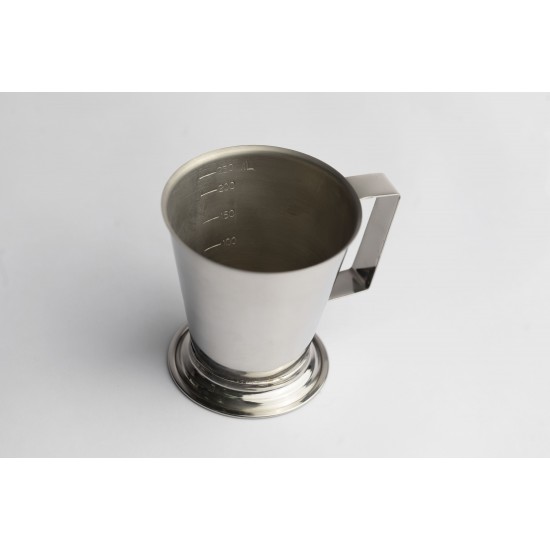
Class Beakers are a type of laboratory glassware commonly used for mixing, heating, and holding liquids. They are essential tools in various scientific experiments and procedures. Beakers are typically cylindrical in shape with a flat bottom and a spout for easy pouring. They come in a variety of sizes and materials to suit different experimental needs.
Types of Beakers:
Standard Beakers:
- Made of glass (borosilicate) or plastic.
- Used for general purposes in the lab.
Griffin Beakers:
- Short and wide with a low height-to-diameter ratio.
- Ideal for stirring and mixing.
Berzelius Beakers:
- Taller and narrower than Griffin beakers.
- Used for titration and other specialized tasks.
Flat Beakers:
- Short and wide with a very low profile.
- Often used for evaporating liquids.
Features:
- Graduations: Printed measurement markings for approximate volume readings.
- Material:
- Borosilicate Glass: Heat-resistant, chemical-resistant, and durable.
- Plastic (Polypropylene): Lightweight and less prone to breakage, though less heat-resistant.
- Capacity: Available in sizes ranging from a few milliliters to several liters.
- Spout: Facilitates easy pouring of liquids without spills.
Uses:
- Mixing: Combining chemicals or solutions.
- Heating: Withstands direct heating on a Bunsen burner or hot plate.
- Measuring: Provides rough volume estimations for liquids.
- Storage: Holds samples temporarily during experiments.
- Transferring: Pouring liquids into other containers or equipment.
Advantages:
- Versatile and multipurpose.
- Durable materials make them suitable for repeated use.
- Available in a variety of sizes to match different experimental requirements.
Maintenance:
- Clean thoroughly after each use to prevent contamination.
- For glass beakers, ensure proper handling to avoid cracks or breakage.
- Avoid using plastic beakers with strong acids, bases, or high temperatures.
Class beakers are indispensable in laboratories due to their simplicity, durability, and versatility in handling liquids and chemicals. ????
- Stock: 5
Class Beakers are a type of laboratory glassware commonly used for mixing, heating, and holding liquids. They are essential tools in various scientific experiments and procedures. Beakers are typically cylindrical in shape with a flat bottom and a spout for easy pouring. They come in a variety of sizes and materials to suit different experimental needs.
Types of Beakers:
Standard Beakers:
- Made of glass (borosilicate) or plastic.
- Used for general purposes in the lab.
Griffin Beakers:
- Short and wide with a low height-to-diameter ratio.
- Ideal for stirring and mixing.
Berzelius Beakers:
- Taller and narrower than Griffin beakers.
- Used for titration and other specialized tasks.
Flat Beakers:
- Short and wide with a very low profile.
- Often used for evaporating liquids.
Features:
- Graduations: Printed measurement markings for approximate volume readings.
- Material:
- Borosilicate Glass: Heat-resistant, chemical-resistant, and durable.
- Plastic (Polypropylene): Lightweight and less prone to breakage, though less heat-resistant.
- Capacity: Available in sizes ranging from a few milliliters to several liters.
- Spout: Facilitates easy pouring of liquids without spills.
Uses:
- Mixing: Combining chemicals or solutions.
- Heating: Withstands direct heating on a Bunsen burner or hot plate.
- Measuring: Provides rough volume estimations for liquids.
- Storage: Holds samples temporarily during experiments.
- Transferring: Pouring liquids into other containers or equipment.
Advantages:
- Versatile and multipurpose.
- Durable materials make them suitable for repeated use.
- Available in a variety of sizes to match different experimental requirements.
Maintenance:
- Clean thoroughly after each use to prevent contamination.
- For glass beakers, ensure proper handling to avoid cracks or breakage.
- Avoid using plastic beakers with strong acids, bases, or high temperatures.
Class beakers are indispensable in laboratories due to their simplicity, durability, and versatility in handling liquids and chemicals. ????