






-250x250w.jpg "GAUZE ROLL Egypt size 7 cm")
-250x250w.jpg "compress with cover")


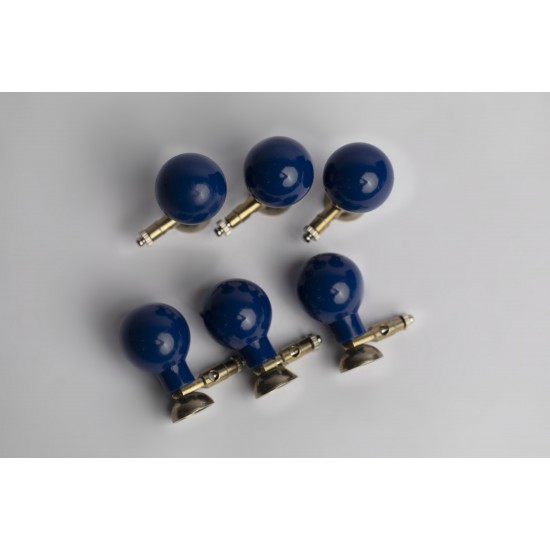

ECG: Electrocardiography
about product
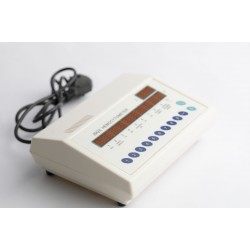
ECG (Electrocardiography) is a medical test that records the electrical activity of the heart over a period of time. The ECG measures the electrical impulses that trigger heartbeats, helping healthcare professionals assess the heart's rhythm, structure, and electrical function.
Key Components of an ECG:
- P Wave: Represents atrial depolarization (the electrical activity that leads to atrial contraction).
- QRS Complex: Represents ventricular depolarization (the electrical activity leading to ventricular contraction).
- T Wave: Represents ventricular repolarization (the recovery phase after the contraction).
- PR Interval: The time it takes for the electrical signal to travel from the atria to the ventricles.
- ST Segment: Reflects the time between the end of ventricular depolarization and the start of repolarization.
Uses of ECG:
- Diagnosing Heart Conditions: ECGs are used to detect arrhythmias, heart attacks, and other cardiovascular issues such as heart enlargement or ischemia (reduced blood flow to the heart).
- Monitoring Heart Health: ECGs help monitor patients with known heart conditions, ensuring the treatment is working and detecting any changes in heart function.
- Pre-Surgical Evaluations: A baseline ECG is often taken before surgery to ensure there are no underlying heart issues.
Types of ECG:
- Resting ECG: The patient is asked to lie down while the ECG is taken, typically in a hospital or doctor's office.
- Holter Monitor: A portable ECG device worn by the patient for 24-48 hours to monitor heart activity over a period of time.
- Stress ECG: Performed during exercise (e.g., on a treadmill) to assess how the heart functions under physical stress.
SAR 253.00
Ex Tax: SAR 253.00
- Stock: 5
ECG (Electrocardiography) is a medical test that records the electrical activity of the heart over a period of time. The ECG measures the electrical impulses that trigger heartbeats, helping healthcare professionals assess the heart's rhythm, structure, and electrical function.
Key Components of an ECG:
- P Wave: Represents atrial depolarization (the electrical activity that leads to atrial contraction).
- QRS Complex: Represents ventricular depolarization (the electrical activity leading to ventricular contraction).
- T Wave: Represents ventricular repolarization (the recovery phase after the contraction).
- PR Interval: The time it takes for the electrical signal to travel from the atria to the ventricles.
- ST Segment: Reflects the time between the end of ventricular depolarization and the start of repolarization.
Uses of ECG:
- Diagnosing Heart Conditions: ECGs are used to detect arrhythmias, heart attacks, and other cardiovascular issues such as heart enlargement or ischemia (reduced blood flow to the heart).
- Monitoring Heart Health: ECGs help monitor patients with known heart conditions, ensuring the treatment is working and detecting any changes in heart function.
- Pre-Surgical Evaluations: A baseline ECG is often taken before surgery to ensure there are no underlying heart issues.
Types of ECG:
- Resting ECG: The patient is asked to lie down while the ECG is taken, typically in a hospital or doctor's office.
- Holter Monitor: A portable ECG device worn by the patient for 24-48 hours to monitor heart activity over a period of time.
- Stress ECG: Performed during exercise (e.g., on a treadmill) to assess how the heart functions under physical stress.