



-250x250w.jpg "GAUZE ROLL Egypt size 7 cm")
-250x250w.jpg "compress with cover")



about product
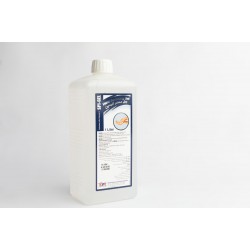
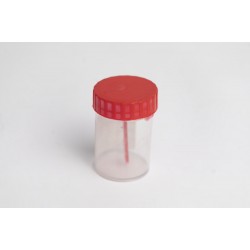
A laboratory liquid container is a specialized vessel used to hold, store, or transport liquids within a laboratory setting. These containers come in various shapes, sizes, and materials to accommodate different types of liquids and applications in scientific research, experiments, and testing.
Features of Laboratory Liquid Containers:
✅ Variety of materials: Common materials include glass (e.g., borosilicate glass) and various plastics (e.g., polypropylene, polyethylene), which offer chemical resistance and durability. ✅ Capacity: Available in a wide range of capacities, from small volumes (like 10 mL) to large containers (several liters). ✅ Designs: Can include graduated markings for precise measurements, screw caps, and secure closures for preventing leaks. ✅ Specific types: Includes flasks, beakers, bottles, test tubes, and graduated cylinders, each designed for different applications.
Types of Laboratory Liquid Containers:
Beakers:
- Commonly used for mixing, heating, and stirring liquids.
- Typically have a flat bottom and are marked with volume graduations for approximate measurement.
Flasks:
- Erlenmeyer Flasks: Conical-shaped flasks ideal for mixing, heating, or storing liquids. Their narrow necks reduce the chance of spills.
- Volumetric Flasks: Used for preparing solutions of exact volumes with high precision.
Test Tubes:
- Small cylindrical tubes used for holding small quantities of liquid or reacting chemicals.
- Often used in combination with test tube racks for easy handling.
Bottles:
- Typically used for storing chemicals or solutions.
- Can include a variety of cap types (e.g., screw caps, stopper caps).
Graduated Cylinders:
- Tall, narrow containers with precise graduations for accurate volume measurement.
- Used for measuring and transferring liquid volumes with high precision.
Dropping Bottles:
- Bottles with a dropper for dispensing small quantities of liquids, often used in titration or for adding reagents.
Petri Dishes:
- Shallow, flat containers used for cultivating microorganisms or for culturing cells in liquid or agar media.
Benefits and Uses:
???? Storage: Safely store liquids, reagents, or chemicals. ???? Mixing and Preparation: Facilitate mixing of solutions and preparation of chemical or biological substances. ???? Measurement: Containers like graduated cylinders provide accurate volume measurements for experiments. ???? Culture and Growth: In microbiology, liquid containers like test tubes or Petri dishes are used for growing and culturing microorganisms.
How to Use Laboratory Liquid Containers:
- Select the appropriate container based on the volume and type of liquid.
- For accurate measurements, use graduated containers, like a graduated cylinder or volumetric flask.
- Ensure containers are clean and free of contaminants before use.
- If the container holds chemicals, ensure it is properly labeled to avoid cross-contamination.
- For storing liquids over time, use bottles with airtight seals.
Safety Precautions:
⚠️ Always check for cracks or damage in glass containers to prevent breakage. ⚠️ Use the appropriate container material (glass or plastic) based on the chemical being handled to avoid reactions. ⚠️ Handle containers with care, especially when containing hazardous or toxic substances. ⚠️ Ensure proper labeling of chemicals and solutions for safety and identification.
- Stock: 5
A laboratory liquid container is a specialized vessel used to hold, store, or transport liquids within a laboratory setting. These containers come in various shapes, sizes, and materials to accommodate different types of liquids and applications in scientific research, experiments, and testing.
Features of Laboratory Liquid Containers:
✅ Variety of materials: Common materials include glass (e.g., borosilicate glass) and various plastics (e.g., polypropylene, polyethylene), which offer chemical resistance and durability. ✅ Capacity: Available in a wide range of capacities, from small volumes (like 10 mL) to large containers (several liters). ✅ Designs: Can include graduated markings for precise measurements, screw caps, and secure closures for preventing leaks. ✅ Specific types: Includes flasks, beakers, bottles, test tubes, and graduated cylinders, each designed for different applications.
Types of Laboratory Liquid Containers:
Beakers:
- Commonly used for mixing, heating, and stirring liquids.
- Typically have a flat bottom and are marked with volume graduations for approximate measurement.
Flasks:
- Erlenmeyer Flasks: Conical-shaped flasks ideal for mixing, heating, or storing liquids. Their narrow necks reduce the chance of spills.
- Volumetric Flasks: Used for preparing solutions of exact volumes with high precision.
Test Tubes:
- Small cylindrical tubes used for holding small quantities of liquid or reacting chemicals.
- Often used in combination with test tube racks for easy handling.
Bottles:
- Typically used for storing chemicals or solutions.
- Can include a variety of cap types (e.g., screw caps, stopper caps).
Graduated Cylinders:
- Tall, narrow containers with precise graduations for accurate volume measurement.
- Used for measuring and transferring liquid volumes with high precision.
Dropping Bottles:
- Bottles with a dropper for dispensing small quantities of liquids, often used in titration or for adding reagents.
Petri Dishes:
- Shallow, flat containers used for cultivating microorganisms or for culturing cells in liquid or agar media.
Benefits and Uses:
???? Storage: Safely store liquids, reagents, or chemicals. ???? Mixing and Preparation: Facilitate mixing of solutions and preparation of chemical or biological substances. ???? Measurement: Containers like graduated cylinders provide accurate volume measurements for experiments. ???? Culture and Growth: In microbiology, liquid containers like test tubes or Petri dishes are used for growing and culturing microorganisms.
How to Use Laboratory Liquid Containers:
- Select the appropriate container based on the volume and type of liquid.
- For accurate measurements, use graduated containers, like a graduated cylinder or volumetric flask.
- Ensure containers are clean and free of contaminants before use.
- If the container holds chemicals, ensure it is properly labeled to avoid cross-contamination.
- For storing liquids over time, use bottles with airtight seals.
Safety Precautions:
⚠️ Always check for cracks or damage in glass containers to prevent breakage. ⚠️ Use the appropriate container material (glass or plastic) based on the chemical being handled to avoid reactions. ⚠️ Handle containers with care, especially when containing hazardous or toxic substances. ⚠️ Ensure proper labeling of chemicals and solutions for safety and identification.