


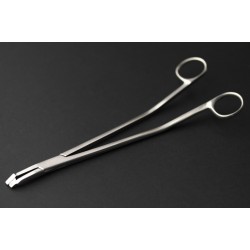
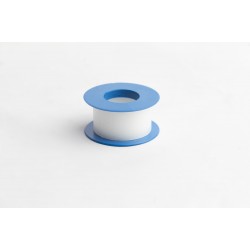

-250x250w.jpg "GAUZE ROLL Egypt size 7 cm")
-250x250w.jpg "compress with cover")

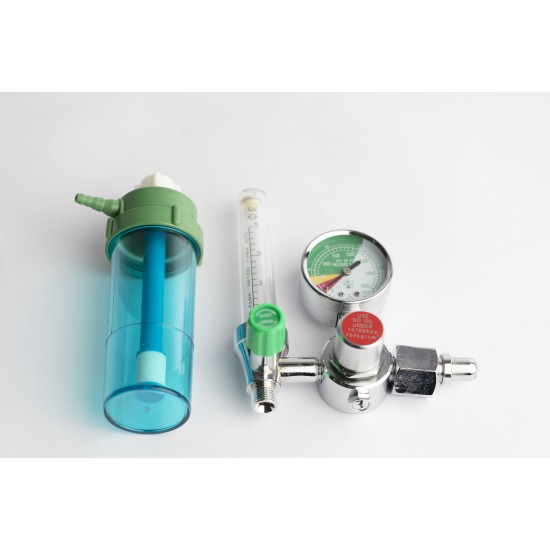

Medical oxygen regulator
about product
A medical oxygen regulator is a device used to control the flow of oxygen from a cylinder to a patient on a regular basis. It is used in hospitals, homes, or during transport to help treat patients with breathing problems, such as those with asthma, pneumonia, or other respiratory conditions.
How it works:
• Flow control: The regulator adjusts the amount of oxygen delivered to the patient based on their needs. The flow can be adjusted to be constant or as needed.
• Pressure indicator: The regulator has a gauge that shows the pressure inside the oxygen cylinder, which helps keep track of how much oxygen is left.
• Oxygen settings: The oxygen flow is specified in flow units, such as “liters per minute” (LPM), as prescribed by the doctor.
Types of medical oxygen regulators:
1. Standard oxygen regulator: Suitable for general use, and controls the flow on a regular basis.
2. Tubed oxygen regulator: May include additional tubes to deliver oxygen to specific parts of the body (such as the nose or mouth).
3. Digital oxygen regulator: It is more accurate in measuring oxygen flow control, and can be connected to monitoring devices to measure blood oxygen levels.
Importance of the regulator:
• Accuracy of control: It helps ensure that the right amount of oxygen is provided, which improves patients' ability to breathe effectively.
Safety of use: It reduces the risk of excessive or insufficient oxygen use.
If you want to buy or learn more about medical oxygen regulators, it is best to consult a doctor or visit specialized medical equipment stores
SAR 126.50
Ex Tax: SAR 126.50
- Stock: 5
A medical oxygen regulator is a device used to control the flow of oxygen from a cylinder to a patient on a regular basis. It is used in hospitals, homes, or during transport to help treat patients with breathing problems, such as those with asthma, pneumonia, or other respiratory conditions.
How it works:
• Flow control: The regulator adjusts the amount of oxygen delivered to the patient based on their needs. The flow can be adjusted to be constant or as needed.
• Pressure indicator: The regulator has a gauge that shows the pressure inside the oxygen cylinder, which helps keep track of how much oxygen is left.
• Oxygen settings: The oxygen flow is specified in flow units, such as “liters per minute” (LPM), as prescribed by the doctor.
Types of medical oxygen regulators:
1. Standard oxygen regulator: Suitable for general use, and controls the flow on a regular basis.
2. Tubed oxygen regulator: May include additional tubes to deliver oxygen to specific parts of the body (such as the nose or mouth).
3. Digital oxygen regulator: It is more accurate in measuring oxygen flow control, and can be connected to monitoring devices to measure blood oxygen levels.
Importance of the regulator:
• Accuracy of control: It helps ensure that the right amount of oxygen is provided, which improves patients' ability to breathe effectively.
Safety of use: It reduces the risk of excessive or insufficient oxygen use.
If you want to buy or learn more about medical oxygen regulators, it is best to consult a doctor or visit specialized medical equipment stores