


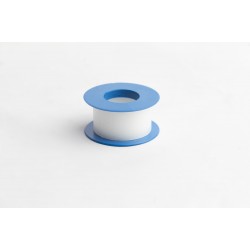

-250x250w.jpg "GAUZE ROLL Egypt size 7 cm")
-250x250w.jpg "compress with cover")


about product
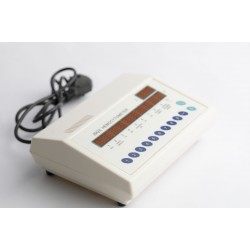
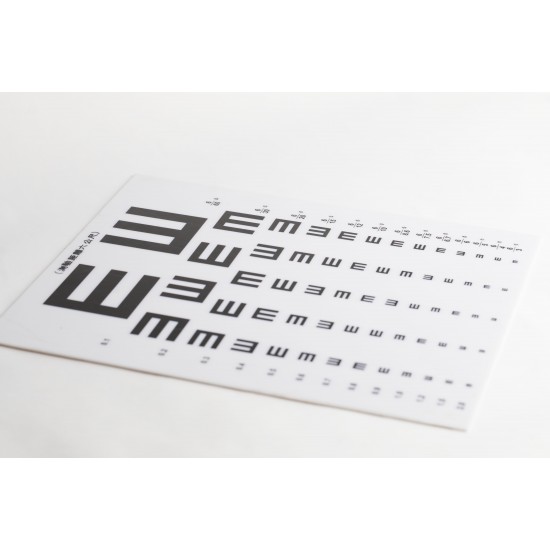
Vision Chart with Illumination is a medical device used to assess visual acuity. It helps measure an individual's ability to distinguish objects clearly at different distances. The illuminated vision chart includes a built-in or external light source to ensure optimal lighting during the test, providing a more accurate and reliable assessment.
Components of a Vision Chart with Illumination:
The Chart Panel:
- Displays a series of letters, numbers, or symbols arranged according to specific vision testing standards, such as the Snellen Chart or LogMAR Chart. These symbols vary in size to assess different levels of visual acuity.
Built-in Illumination:
- The chart includes a backlight or integrated lighting system to enhance the visibility of the symbols. The brightness can often be adjusted to achieve the best testing conditions.
Adjustable Setup:
- Some vision charts allow adjustments to the illumination level or angle to create the ideal testing environment.
Testing Distance:
- The standard distance for vision testing using a Snellen chart is typically 6 meters (20 feet) to ensure accurate results.
Types of Vision Charts with Illumination:
Standard Illuminated Vision Chart:
- Features letters or numbers with a simple lighting system to improve visibility.
Digital Vision Chart with Illumination:
- Uses a digital screen to display symbols or letters, allowing for precise lighting adjustments and enhanced clarity.
Rotating Vision Chart with Illumination:
- Includes symbols that change or rotate automatically, with adjustable lighting to focus on specific test elements.
Benefits of a Vision Chart with Illumination:
- Enhanced Accuracy: Proper lighting ensures that symbols are clearly visible, improving test precision.
- Comfortable Testing: Optimal lighting reduces eye strain, making the examination more comfortable.
- Better Diagnostic Capability: Well-lit charts enable eye specialists to detect vision issues more effectively.
Common Uses:
- Visual Acuity Testing: Used in clinics and hospitals to assess eyesight.
- Diagnosis of Vision Problems: Helps detect conditions such as myopia, hyperopia, astigmatism, and other vision impairments.
- Monitoring Treatment Progress: Used for follow-up assessments after corrective treatments or surgeries.
- Stock: 2
Vision Chart with Illumination is a medical device used to assess visual acuity. It helps measure an individual's ability to distinguish objects clearly at different distances. The illuminated vision chart includes a built-in or external light source to ensure optimal lighting during the test, providing a more accurate and reliable assessment.
Components of a Vision Chart with Illumination:
The Chart Panel:
- Displays a series of letters, numbers, or symbols arranged according to specific vision testing standards, such as the Snellen Chart or LogMAR Chart. These symbols vary in size to assess different levels of visual acuity.
Built-in Illumination:
- The chart includes a backlight or integrated lighting system to enhance the visibility of the symbols. The brightness can often be adjusted to achieve the best testing conditions.
Adjustable Setup:
- Some vision charts allow adjustments to the illumination level or angle to create the ideal testing environment.
Testing Distance:
- The standard distance for vision testing using a Snellen chart is typically 6 meters (20 feet) to ensure accurate results.
Types of Vision Charts with Illumination:
Standard Illuminated Vision Chart:
- Features letters or numbers with a simple lighting system to improve visibility.
Digital Vision Chart with Illumination:
- Uses a digital screen to display symbols or letters, allowing for precise lighting adjustments and enhanced clarity.
Rotating Vision Chart with Illumination:
- Includes symbols that change or rotate automatically, with adjustable lighting to focus on specific test elements.
Benefits of a Vision Chart with Illumination:
- Enhanced Accuracy: Proper lighting ensures that symbols are clearly visible, improving test precision.
- Comfortable Testing: Optimal lighting reduces eye strain, making the examination more comfortable.
- Better Diagnostic Capability: Well-lit charts enable eye specialists to detect vision issues more effectively.
Common Uses:
- Visual Acuity Testing: Used in clinics and hospitals to assess eyesight.
- Diagnosis of Vision Problems: Helps detect conditions such as myopia, hyperopia, astigmatism, and other vision impairments.
- Monitoring Treatment Progress: Used for follow-up assessments after corrective treatments or surgeries.