



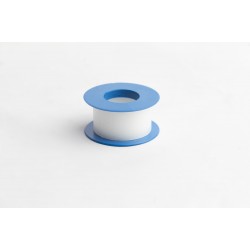

-250x250w.jpg "GAUZE ROLL Egypt size 7 cm")
-250x250w.jpg "compress with cover")


about product
Swab Sampling
Description: Swab sampling tools are medical instruments used to collect samples from the body for medical or diagnostic purposes. They typically consist of a cotton or absorbent material attached to the end of a thin stick and are used to swab or collect samples from areas such as the nose, throat, mouth, or other parts of the body. Swabs are widely used for testing infectious diseases such as influenza, COVID-19, and for diagnosing various other health conditions.
Features:
✔ Safe Medical Materials: Made from medically approved materials like cotton or synthetic fibers that do not irritate or damage tissues.
✔ High Accuracy: Provides a precise way to collect uncontaminated samples, ensuring accurate test results.
✔ Ease of Use: Designed for easy use by healthcare professionals to collect samples quickly and efficiently.
✔ Versatile Applications: Can be used for various diagnostic procedures like PCR testing or rapid tests.
Medical Applications:
???? Diagnosing Infectious Diseases: Primarily used in testing for viruses like COVID-19, influenza, or strep throat.
???? Genetic and DNA Testing: Can be used to collect samples from the nose or mouth for DNA tests like PCR.
???? Routine Medical Screenings: Used in regular medical exams to collect samples from the throat or mouth.
Advantages:
✅ High Precision in Sample Collection: Ensures a sufficient sample for accurate analysis.
✅ Easy to Use: Simple for doctors or nurses to use without requiring complex techniques.
✅ Hygienic and Safe: Completely sterilized to prevent contamination or bacterial transmission.
✅ Non-Invasive: Most swabs are designed to be non-painful or cause minimal discomfort to the patient.
Conclusion: Swab sampling is an essential medical tool used for collecting samples from the body for diagnostic and medical analysis. With its high accuracy, ease of use, and suitability for various medical tests, it is an indispensable tool in modern healthcare, particularly in diagnosing infectious diseases and other medical conditions.
- Stock: 5
Swab Sampling
Description: Swab sampling tools are medical instruments used to collect samples from the body for medical or diagnostic purposes. They typically consist of a cotton or absorbent material attached to the end of a thin stick and are used to swab or collect samples from areas such as the nose, throat, mouth, or other parts of the body. Swabs are widely used for testing infectious diseases such as influenza, COVID-19, and for diagnosing various other health conditions.
Features:
✔ Safe Medical Materials: Made from medically approved materials like cotton or synthetic fibers that do not irritate or damage tissues.
✔ High Accuracy: Provides a precise way to collect uncontaminated samples, ensuring accurate test results.
✔ Ease of Use: Designed for easy use by healthcare professionals to collect samples quickly and efficiently.
✔ Versatile Applications: Can be used for various diagnostic procedures like PCR testing or rapid tests.
Medical Applications:
???? Diagnosing Infectious Diseases: Primarily used in testing for viruses like COVID-19, influenza, or strep throat.
???? Genetic and DNA Testing: Can be used to collect samples from the nose or mouth for DNA tests like PCR.
???? Routine Medical Screenings: Used in regular medical exams to collect samples from the throat or mouth.
Advantages:
✅ High Precision in Sample Collection: Ensures a sufficient sample for accurate analysis.
✅ Easy to Use: Simple for doctors or nurses to use without requiring complex techniques.
✅ Hygienic and Safe: Completely sterilized to prevent contamination or bacterial transmission.
✅ Non-Invasive: Most swabs are designed to be non-painful or cause minimal discomfort to the patient.
Conclusion: Swab sampling is an essential medical tool used for collecting samples from the body for diagnostic and medical analysis. With its high accuracy, ease of use, and suitability for various medical tests, it is an indispensable tool in modern healthcare, particularly in diagnosing infectious diseases and other medical conditions.