



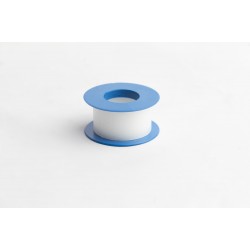

-250x250w.jpg "GAUZE ROLL Egypt size 7 cm")
-250x250w.jpg "compress with cover")


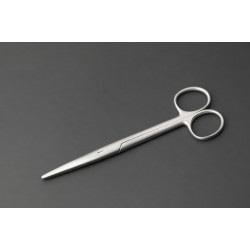


bulb laryngoscope
about product
Laryngoscope ????
A laryngoscope is a medical device used to examine the larynx (voice box) and vocal cords. It plays a crucial role in diagnosing voice disorders and performing medical procedures, such as endotracheal intubation.
Uses of a Laryngoscope:
- Medical Examination:
Helps detect issues like laryngeal infections, tumors, or vocal cord disorders. - Airway Management:
Essential for intubation to secure the airway during surgeries. - Foreign Body Removal:
Assists in removing foreign objects stuck in the larynx. - Specialized Procedures:
Used for biopsies or assessing persistent hoarseness.
Types of Laryngoscopes:
- Direct Laryngoscope:
A manual device with a traditional light source for direct examination of the larynx. - Flexible Laryngoscope:
Features a flexible design, making it easier to examine deeper areas, often used with a camera. - Rigid Laryngoscope:
Offers clearer views and is commonly used during surgical procedures. - Video Laryngoscope:
Equipped with a camera and screen for detailed visualization, ideal for training and precise interventions.
Features of Modern Laryngoscopes:
- High-Definition Camera: Provides a clear view of the vocal cords and tissues.
- LED Illumination: Ensures bright, focused light for better visibility.
- Ergonomic Design: Makes long usage sessions more comfortable.
- Sterile Options: Prevents cross-contamination and ensures hygiene.
How to Use:
- Ensure the laryngoscope is properly sterilized before use.
- Adjust the light or camera settings, if applicable.
- Gently insert the laryngoscope through the mouth or nose.
- Observe the screen (for video laryngoscopes) or examine the larynx directly.
- Remove the device carefully and clean it thoroughly after use.
Tips for Maintaining a Laryngoscope:
- Regular Cleaning: Use appropriate disinfectants after every use.
- Proper Storage: Keep it in a dedicated case, away from moisture.
- Routine Check: Ensure the light and camera (if applicable) are functioning correctly.
SAR 28.75
Ex Tax: SAR 28.75
- Stock: 5
Laryngoscope ????
A laryngoscope is a medical device used to examine the larynx (voice box) and vocal cords. It plays a crucial role in diagnosing voice disorders and performing medical procedures, such as endotracheal intubation.
Uses of a Laryngoscope:
- Medical Examination:
Helps detect issues like laryngeal infections, tumors, or vocal cord disorders. - Airway Management:
Essential for intubation to secure the airway during surgeries. - Foreign Body Removal:
Assists in removing foreign objects stuck in the larynx. - Specialized Procedures:
Used for biopsies or assessing persistent hoarseness.
Types of Laryngoscopes:
- Direct Laryngoscope:
A manual device with a traditional light source for direct examination of the larynx. - Flexible Laryngoscope:
Features a flexible design, making it easier to examine deeper areas, often used with a camera. - Rigid Laryngoscope:
Offers clearer views and is commonly used during surgical procedures. - Video Laryngoscope:
Equipped with a camera and screen for detailed visualization, ideal for training and precise interventions.
Features of Modern Laryngoscopes:
- High-Definition Camera: Provides a clear view of the vocal cords and tissues.
- LED Illumination: Ensures bright, focused light for better visibility.
- Ergonomic Design: Makes long usage sessions more comfortable.
- Sterile Options: Prevents cross-contamination and ensures hygiene.
How to Use:
- Ensure the laryngoscope is properly sterilized before use.
- Adjust the light or camera settings, if applicable.
- Gently insert the laryngoscope through the mouth or nose.
- Observe the screen (for video laryngoscopes) or examine the larynx directly.
- Remove the device carefully and clean it thoroughly after use.
Tips for Maintaining a Laryngoscope:
- Regular Cleaning: Use appropriate disinfectants after every use.
- Proper Storage: Keep it in a dedicated case, away from moisture.
- Routine Check: Ensure the light and camera (if applicable) are functioning correctly.