





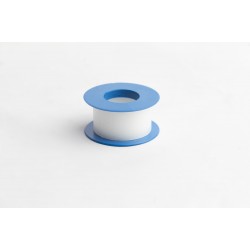


-250x250w.jpg "GAUZE ROLL Egypt size 7 cm")
-250x250w.jpg "compress with cover")




about product
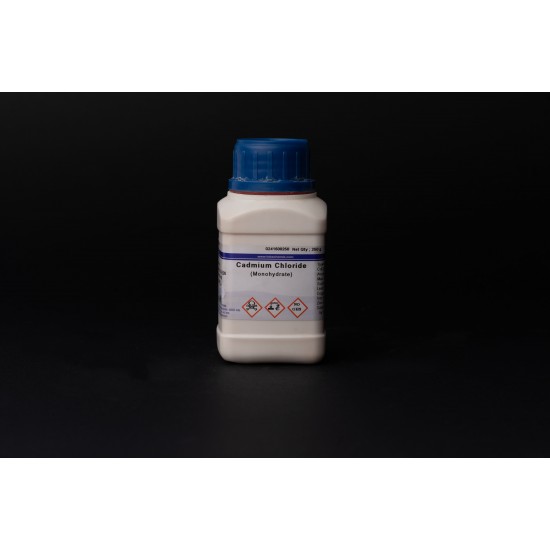
Cadmium Chloride (CdCl₂): A Unique Compound! ????
Cadmium Chloride is an inorganic chemical compound made of cadmium and chlorine. It has fascinating chemical properties and numerous applications in industrial and scientific fields. Let’s dive in! ????
Physical and Chemical Properties:
- Appearance: White powder or crystals.
- Solubility: Easily dissolves in water, forming an acidic solution.
- Molecular formula: CdCl₂.
- Melting point: Around 568°C.
- Density: Approximately 4.047 g/cm³.
Applications:
Chemical Industries:
- Used in the production of vibrant pigments and dyes. ????
- Acts as an intermediate for synthesizing other cadmium compounds.
Batteries:
- A key material in manufacturing nickel-cadmium (Ni-Cd) batteries. ????
Printing and Photography:
- Essential in lithography and photographic processes. ????
Electroplating:
- Used to coat metals, offering protection against corrosion. ????️
Research Applications:
- Popular in labs for studying reactions and properties.
Health Hazards ⚠️
Cadmium Chloride is toxic and classified as a carcinogen. Handle it with extreme caution to avoid risks such as:
- Inhalation: Can irritate the respiratory system and damage the lungs.
- Ingestion: Causes severe poisoning.
- Chronic exposure: Leads to kidney and liver damage and may affect the nervous system.
Safety Measures:
- Always wear protective gear like gloves and masks. ????????
- Work in a well-ventilated area. ????️
- Avoid direct contact with skin or eyes.
- Store it securely, away from heat and moisture.
Key Takeaway:
While Cadmium Chloride has diverse uses, its dangers should not be underestimated. Proper handling and strict safety protocols are a must to ensure health and environmental protection! ????
- Stock: 2-3 Days
Cadmium Chloride (CdCl₂): A Unique Compound! ????
Cadmium Chloride is an inorganic chemical compound made of cadmium and chlorine. It has fascinating chemical properties and numerous applications in industrial and scientific fields. Let’s dive in! ????
Physical and Chemical Properties:
- Appearance: White powder or crystals.
- Solubility: Easily dissolves in water, forming an acidic solution.
- Molecular formula: CdCl₂.
- Melting point: Around 568°C.
- Density: Approximately 4.047 g/cm³.
Applications:
Chemical Industries:
- Used in the production of vibrant pigments and dyes. ????
- Acts as an intermediate for synthesizing other cadmium compounds.
Batteries:
- A key material in manufacturing nickel-cadmium (Ni-Cd) batteries. ????
Printing and Photography:
- Essential in lithography and photographic processes. ????
Electroplating:
- Used to coat metals, offering protection against corrosion. ????️
Research Applications:
- Popular in labs for studying reactions and properties.
Health Hazards ⚠️
Cadmium Chloride is toxic and classified as a carcinogen. Handle it with extreme caution to avoid risks such as:
- Inhalation: Can irritate the respiratory system and damage the lungs.
- Ingestion: Causes severe poisoning.
- Chronic exposure: Leads to kidney and liver damage and may affect the nervous system.
Safety Measures:
- Always wear protective gear like gloves and masks. ????????
- Work in a well-ventilated area. ????️
- Avoid direct contact with skin or eyes.
- Store it securely, away from heat and moisture.
Key Takeaway:
While Cadmium Chloride has diverse uses, its dangers should not be underestimated. Proper handling and strict safety protocols are a must to ensure health and environmental protection! ????