




-250x250w.jpg "GAUZE ROLL Egypt size 7 cm")
-250x250w.jpg "compress with cover")




about product
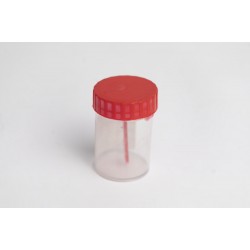
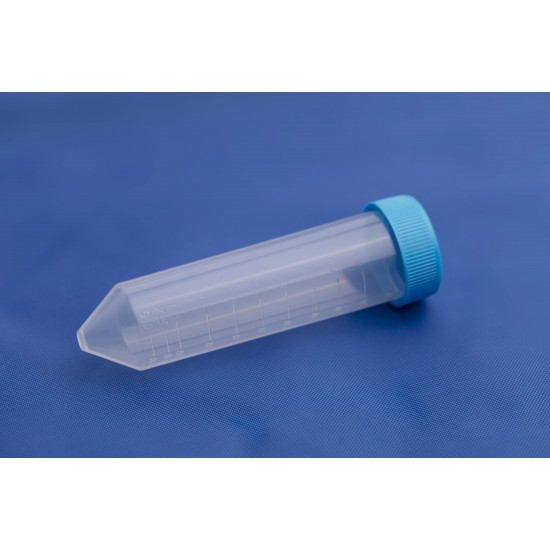
A Falcon Test Tube 10 ml is a laboratory-grade test tube typically used in scientific research, medical testing, and educational laboratories. It is designed for holding, mixing, and heating small quantities of liquids or samples. The "Falcon" brand is known for producing high-quality plastic laboratory products, and these test tubes are commonly used in procedures requiring precise sample handling.
Features of Falcon Test Tube 10 ml:
- Material: Made from high-quality polypropylene (PP), which is durable, resistant to chemicals, and can withstand high temperatures (autoclavable).
- Capacity: Can hold up to 10 milliliters of liquid, making it suitable for small-scale experiments and sample analysis.
- Size: Typically, these test tubes are about 10 cm long with a diameter that fits standard test tube racks.
- Graduation Marks: Some versions may come with graduated markings to help measure liquids accurately.
- Sterile or Non-Sterile: Available in both sterile (for use in clinical or microbiological applications) and non-sterile forms (for general laboratory work).
- Cap Compatibility: Often compatible with Falcon test tube caps to securely close the tube and prevent contamination or leakage.
Uses of Falcon Test Tube 10 ml:
- Sample Collection: Used for collecting and storing liquid or solid samples for analysis, such as blood, urine, or chemical substances.
- Chemical Reactions: Useful for small-scale chemical reactions where precision is needed.
- Centrifugation: These tubes can be used in centrifuges for spinning down liquids or particles in research settings.
- Culture and Incubation: In microbiology labs, they are often used for growing bacterial cultures or holding cultures under incubation.
- Heating: Capable of being heated safely in an incubator or water bath.
Advantages:
- Durability: Resistant to cracking and breaking compared to glass test tubes.
- Chemical Resistance: Polypropylene material resists a wide range of chemicals, making it versatile for different types of experiments.
- Autoclavable: Can be sterilized using an autoclave for use in sterile environments.
- Affordable: Plastic tubes are more cost-effective compared to glass, especially for large-scale usage.
- Stock: 5
A Falcon Test Tube 10 ml is a laboratory-grade test tube typically used in scientific research, medical testing, and educational laboratories. It is designed for holding, mixing, and heating small quantities of liquids or samples. The "Falcon" brand is known for producing high-quality plastic laboratory products, and these test tubes are commonly used in procedures requiring precise sample handling.
Features of Falcon Test Tube 10 ml:
- Material: Made from high-quality polypropylene (PP), which is durable, resistant to chemicals, and can withstand high temperatures (autoclavable).
- Capacity: Can hold up to 10 milliliters of liquid, making it suitable for small-scale experiments and sample analysis.
- Size: Typically, these test tubes are about 10 cm long with a diameter that fits standard test tube racks.
- Graduation Marks: Some versions may come with graduated markings to help measure liquids accurately.
- Sterile or Non-Sterile: Available in both sterile (for use in clinical or microbiological applications) and non-sterile forms (for general laboratory work).
- Cap Compatibility: Often compatible with Falcon test tube caps to securely close the tube and prevent contamination or leakage.
Uses of Falcon Test Tube 10 ml:
- Sample Collection: Used for collecting and storing liquid or solid samples for analysis, such as blood, urine, or chemical substances.
- Chemical Reactions: Useful for small-scale chemical reactions where precision is needed.
- Centrifugation: These tubes can be used in centrifuges for spinning down liquids or particles in research settings.
- Culture and Incubation: In microbiology labs, they are often used for growing bacterial cultures or holding cultures under incubation.
- Heating: Capable of being heated safely in an incubator or water bath.
Advantages:
- Durability: Resistant to cracking and breaking compared to glass test tubes.
- Chemical Resistance: Polypropylene material resists a wide range of chemicals, making it versatile for different types of experiments.
- Autoclavable: Can be sterilized using an autoclave for use in sterile environments.
- Affordable: Plastic tubes are more cost-effective compared to glass, especially for large-scale usage.