



-250x250w.jpg "GAUZE ROLL Egypt size 7 cm")
-250x250w.jpg "compress with cover")


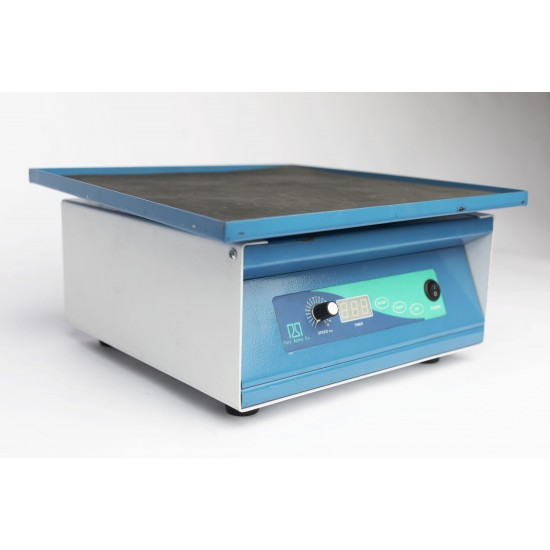

hot plate For the laboratory
about product
hot plate is a common piece of equipment used in laboratories for heating substances in glassware or other containers. It's essential for many experiments that require controlled heating of liquids or solids. Here's an overview:
Types of Laboratory Hot Plates:
Standard Hot Plate:
- A flat surface that heats up to a set temperature.
- Simple to use, typically with a temperature dial to control the heat.
Hot Plate with Magnetic Stirrer:
- Combines heating with stirring. A magnetic stir bar inside the container is rotated by a magnetic field, making it ideal for solutions that need to be mixed while heated.
- Great for experiments requiring consistent stirring, like dissolving chemicals or preparing solutions.
Digital Hot Plate:
- Features digital controls for precise temperature settings.
- Can include temperature probes for better monitoring and control of heat.
Ceramic or Glass Hot Plate:
- Offers more uniform heating and can handle higher temperatures without degrading the surface.
- Ceramic plates are often used for specific types of experiments requiring non-reactive surfaces.
Features to Look for:
- Temperature Range: Make sure the hot plate can reach the desired temperature for your experiments.
- Material: The surface material should be compatible with the chemicals you're working with (e.g., porcelain for resistance to acidic solutions).
- Size: The plate should be large enough for your containers.
- Safety Features: Look for automatic shut-off, overheat protection, or ceramic plates that can reduce the risk of chemical reactions.
Benefits:
- Even Heating: Provides consistent heat across the surface, ensuring even heating of the liquid or solution.
- Convenience: Electric hot plates are portable and easy to use, with no open flames involved.
- Temperature Control: Allows for precise adjustments to temperature, which is crucial for sensitive experiments.
How to Use:
- Setup: Place the hot plate on a stable, heat-resistant surface.
- Container: Place your glassware or other containers on the hot plate.
- Set Temperature: Turn the dial or use the digital control to set the desired temperature.
- Monitor: Always monitor the substance being heated to prevent overheating or dangerous reactions.
- After Use: Allow the hot plate to cool down before touching it or storing it away.
Safety Tips:
- Always monitor experiments closely to avoid overheating or chemical spills.
- Use heat-resistant gloves and proper safety equipment like goggles and aprons.
- Be mindful of electrical cords, especially when working around liquids.
SAR 3,120.00
Ex Tax: SAR 3,120.00
- Stock: 1
hot plate is a common piece of equipment used in laboratories for heating substances in glassware or other containers. It's essential for many experiments that require controlled heating of liquids or solids. Here's an overview:
Types of Laboratory Hot Plates:
Standard Hot Plate:
- A flat surface that heats up to a set temperature.
- Simple to use, typically with a temperature dial to control the heat.
Hot Plate with Magnetic Stirrer:
- Combines heating with stirring. A magnetic stir bar inside the container is rotated by a magnetic field, making it ideal for solutions that need to be mixed while heated.
- Great for experiments requiring consistent stirring, like dissolving chemicals or preparing solutions.
Digital Hot Plate:
- Features digital controls for precise temperature settings.
- Can include temperature probes for better monitoring and control of heat.
Ceramic or Glass Hot Plate:
- Offers more uniform heating and can handle higher temperatures without degrading the surface.
- Ceramic plates are often used for specific types of experiments requiring non-reactive surfaces.
Features to Look for:
- Temperature Range: Make sure the hot plate can reach the desired temperature for your experiments.
- Material: The surface material should be compatible with the chemicals you're working with (e.g., porcelain for resistance to acidic solutions).
- Size: The plate should be large enough for your containers.
- Safety Features: Look for automatic shut-off, overheat protection, or ceramic plates that can reduce the risk of chemical reactions.
Benefits:
- Even Heating: Provides consistent heat across the surface, ensuring even heating of the liquid or solution.
- Convenience: Electric hot plates are portable and easy to use, with no open flames involved.
- Temperature Control: Allows for precise adjustments to temperature, which is crucial for sensitive experiments.
How to Use:
- Setup: Place the hot plate on a stable, heat-resistant surface.
- Container: Place your glassware or other containers on the hot plate.
- Set Temperature: Turn the dial or use the digital control to set the desired temperature.
- Monitor: Always monitor the substance being heated to prevent overheating or dangerous reactions.
- After Use: Allow the hot plate to cool down before touching it or storing it away.
Safety Tips:
- Always monitor experiments closely to avoid overheating or chemical spills.
- Use heat-resistant gloves and proper safety equipment like goggles and aprons.
- Be mindful of electrical cords, especially when working around liquids.