

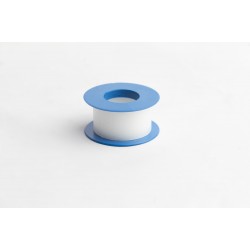
-250x250w.jpg "GAUZE ROLL Egypt size 7 cm")
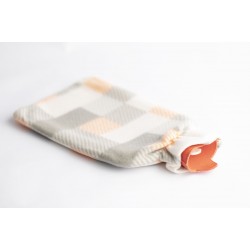
-250x250w.jpg "compress with cover")
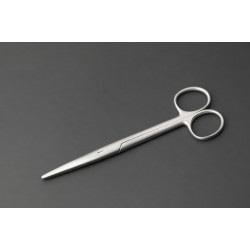


about product
It seems like you're asking about the proper insertion method for injection needles or a similar device. When using an injection needle, the insertion method can vary depending on the type of injection (e.g., intramuscular, subcutaneous, or intravenous) and the needle's gauge and length.
Common Methods for Insertion:
Subcutaneous (SC) Injection:
- Needle Angle: Insert the needle at a 45 to 90-degree angle to the skin.
- Insertion Method: Pinch a fold of skin (if needed) and insert the needle quickly and smoothly.
- Needle Length and Gauge: Typically, shorter needles (around 5/8 inch or 16mm) and smaller gauges (25G to 27G) are used for subcutaneous injections.
Intramuscular (IM) Injection:
- Needle Angle: Insert the needle at a 90-degree angle to the skin.
- Insertion Method: Make sure to use the correct muscle site (e.g., deltoid, gluteal, or vastus lateralis), and insert the needle swiftly to minimize discomfort.
- Needle Length and Gauge: Longer needles (1 to 1.5 inches) and slightly larger gauges (22G to 25G) are often used for IM injections.
Intravenous (IV) Injection:
- Needle Angle: Insert the needle at a 15 to 30-degree angle (closer to the skin surface).
- Insertion Method: The needle is inserted into a vein for direct medication delivery into the bloodstream.
- Needle Length and Gauge: Typically, a smaller needle size (20G to 23G) is preferred for IV access.
Intradermal Injection (ID):
- Needle Angle: Insert the needle at a 10 to 15-degree angle to the skin, just beneath the surface.
- Insertion Method: Often used for allergy tests or tuberculosis screening, the needle should be placed just under the skin's surface, creating a small "bleb."
General Tips for Proper Insertion:
- Insert swiftly and confidently: A quick, controlled motion reduces the discomfort associated with the injection.
- Correct positioning: For SC and IM injections, ensure that the muscle or tissue is relaxed to avoid unnecessary discomfort.
- Needle disposal: Always dispose of the needle in a proper sharps container immediately after use to avoid any accidents or contamination.
- Stock: 5
It seems like you're asking about the proper insertion method for injection needles or a similar device. When using an injection needle, the insertion method can vary depending on the type of injection (e.g., intramuscular, subcutaneous, or intravenous) and the needle's gauge and length.
Common Methods for Insertion:
Subcutaneous (SC) Injection:
- Needle Angle: Insert the needle at a 45 to 90-degree angle to the skin.
- Insertion Method: Pinch a fold of skin (if needed) and insert the needle quickly and smoothly.
- Needle Length and Gauge: Typically, shorter needles (around 5/8 inch or 16mm) and smaller gauges (25G to 27G) are used for subcutaneous injections.
Intramuscular (IM) Injection:
- Needle Angle: Insert the needle at a 90-degree angle to the skin.
- Insertion Method: Make sure to use the correct muscle site (e.g., deltoid, gluteal, or vastus lateralis), and insert the needle swiftly to minimize discomfort.
- Needle Length and Gauge: Longer needles (1 to 1.5 inches) and slightly larger gauges (22G to 25G) are often used for IM injections.
Intravenous (IV) Injection:
- Needle Angle: Insert the needle at a 15 to 30-degree angle (closer to the skin surface).
- Insertion Method: The needle is inserted into a vein for direct medication delivery into the bloodstream.
- Needle Length and Gauge: Typically, a smaller needle size (20G to 23G) is preferred for IV access.
Intradermal Injection (ID):
- Needle Angle: Insert the needle at a 10 to 15-degree angle to the skin, just beneath the surface.
- Insertion Method: Often used for allergy tests or tuberculosis screening, the needle should be placed just under the skin's surface, creating a small "bleb."
General Tips for Proper Insertion:
- Insert swiftly and confidently: A quick, controlled motion reduces the discomfort associated with the injection.
- Correct positioning: For SC and IM injections, ensure that the muscle or tissue is relaxed to avoid unnecessary discomfort.
- Needle disposal: Always dispose of the needle in a proper sharps container immediately after use to avoid any accidents or contamination.