



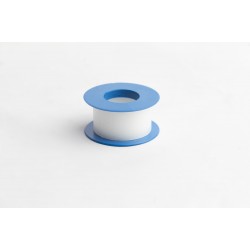

-250x250w.jpg "GAUZE ROLL Egypt size 7 cm")
-250x250w.jpg "compress with cover")


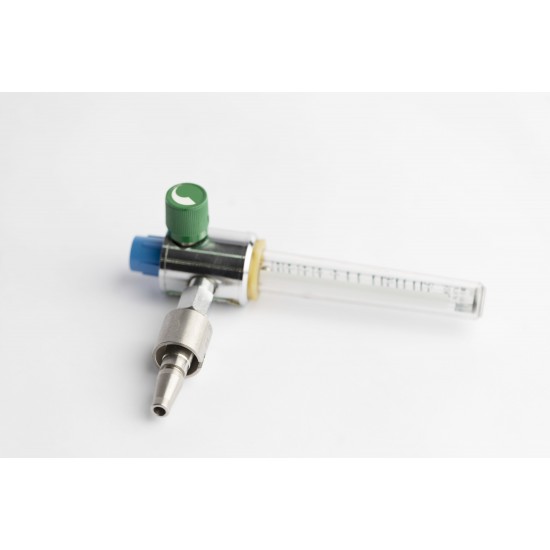

about product
Digital Medical Oxygen refers to devices that measure the oxygen levels in the blood accurately. One of the most commonly used devices for this purpose is a pulse oximeter, which is essential for monitoring the health of patients, especially those with respiratory or heart conditions. The digital oxygen meter works by emitting a light beam through the skin (usually via the finger or earlobe) and analyzing the changes in light absorption caused by oxygen in the blood.
Features of Digital Medical Oxygen Devices:
- Easy to Use: The device is simple to operate; just place it on the finger or earlobe for a quick reading.
- Accurate Readings: It provides precise measurements of blood oxygen levels, helping assess the patient's health.
- Continuous Monitoring: It can be used for ongoing monitoring of oxygen levels in patients who require constant observation.
- Digital Display: The results are shown digitally, making it easier to interpret the readings quickly.
Common Uses of Digital Oxygen Meters:
- Monitoring Respiratory Health: Used for patients with asthma, COPD (Chronic Obstructive Pulmonary Disease), or other respiratory issues.
- In Intensive Care Units: Commonly used in hospitals for continuous oxygen level monitoring of critically ill patients.
- Post-Surgery: To track oxygen levels in patients after undergoing surgical procedures.
- For Athletes: Some athletes use it to monitor their oxygen levels during training or performance, especially at high altitudes where oxygen levels are lower.
How to Use:
- Place Finger or Earlobe: Insert the finger or earlobe into the device.
- Wait for the Reading: After a few seconds, the digital display will show the oxygen level in the blood (typically between 95% and 100% as a normal reading).
- Monitor Data: Based on the readings, medical decisions can be made, such as increasing oxygen supply or adjusting treatment.
- Stock: 2-3 Days
Digital Medical Oxygen refers to devices that measure the oxygen levels in the blood accurately. One of the most commonly used devices for this purpose is a pulse oximeter, which is essential for monitoring the health of patients, especially those with respiratory or heart conditions. The digital oxygen meter works by emitting a light beam through the skin (usually via the finger or earlobe) and analyzing the changes in light absorption caused by oxygen in the blood.
Features of Digital Medical Oxygen Devices:
- Easy to Use: The device is simple to operate; just place it on the finger or earlobe for a quick reading.
- Accurate Readings: It provides precise measurements of blood oxygen levels, helping assess the patient's health.
- Continuous Monitoring: It can be used for ongoing monitoring of oxygen levels in patients who require constant observation.
- Digital Display: The results are shown digitally, making it easier to interpret the readings quickly.
Common Uses of Digital Oxygen Meters:
- Monitoring Respiratory Health: Used for patients with asthma, COPD (Chronic Obstructive Pulmonary Disease), or other respiratory issues.
- In Intensive Care Units: Commonly used in hospitals for continuous oxygen level monitoring of critically ill patients.
- Post-Surgery: To track oxygen levels in patients after undergoing surgical procedures.
- For Athletes: Some athletes use it to monitor their oxygen levels during training or performance, especially at high altitudes where oxygen levels are lower.
How to Use:
- Place Finger or Earlobe: Insert the finger or earlobe into the device.
- Wait for the Reading: After a few seconds, the digital display will show the oxygen level in the blood (typically between 95% and 100% as a normal reading).
- Monitor Data: Based on the readings, medical decisions can be made, such as increasing oxygen supply or adjusting treatment.