





Menu
Your Cart

microscope

microscope
microscope
microscope
microscope
microscope

about product

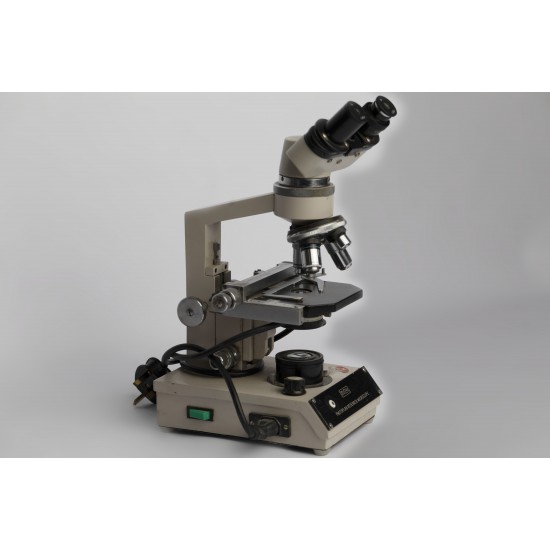
A microscope is an optical device used to magnify small objects so that they can be seen clearly. It is an essential tool in scientific and medical laboratories, widely used in fields such as biology, chemistry, medicine, and materials science. Microscopes help examine microorganisms, cells, tissues, chemical compounds, and other samples that cannot be seen with the naked eye.

Types of Microscopes:

  1. Light Microscope:

    • Uses visible light to pass through the sample.
    • Commonly used to magnify living organisms or biological slides.
    • Can magnify samples up to 1,000 times.
  2. Electron Microscope:

    • Uses electron beams instead of light to magnify the sample.
    • Capable of magnifying samples up to hundreds of thousands of times.
    • Used for examining extremely fine structures, such as cells and viruses.
  3. Compound Microscope:

    • Has two or more lenses to magnify the image.
    • Ideal for examining biological samples that require high magnification.
  4. Stereo Microscope:

    • Provides a 3D view of objects.
    • Primarily used in material sciences, electronics, and dissections.

Key Features of a Microscope:

  1. Lenses: Microscopes have high-powered lenses that provide magnification. The magnification usually depends on both the eyepiece lens and the objective lens.
  2. Focusing: The focus of the microscope can be adjusted using the coarse and fine focus knobs, allowing for a clearer view of the sample.
  3. Lighting: Microscopes often have a light source, either traditional or backlight, to illuminate the sample for better visibility.
  4. Stage: The platform where the sample is placed and adjusted for viewing.

Uses of a Microscope:

  • Biology: Studying cells, tissues, and microorganisms such as bacteria and viruses.
  • Medicine: Examining biological tissue samples for disease diagnosis.
  • Environmental Science: Analyzing environmental samples like soil and water.
  • Scientific Research: In fields like chemistry and materials science, examining small compounds or structures.

Advantages:

  • High Precision: Allows viewing of details too small for the naked eye.
  • Useful in Scientific Research: Provides insights into various fields of science.
  • Versatility: Can be used in a wide range of applications from medicine to biological research.

Disadvantages:

  • Cost: Advanced types like electron microscopes can be expensive.
  • Skill Required: Some types require specific skills and techniques for sample preparation and result interpretation.


SAR 3,120.00
Ex Tax: SAR 3,120.00
  • Stock: 5

A microscope is an optical device used to magnify small objects so that they can be seen clearly. It is an essential tool in scientific and medical laboratories, widely used in fields such as biology, chemistry, medicine, and materials science. Microscopes help examine microorganisms, cells, tissues, chemical compounds, and other samples that cannot be seen with the naked eye.

Types of Microscopes:

  1. Light Microscope:

    • Uses visible light to pass through the sample.
    • Commonly used to magnify living organisms or biological slides.
    • Can magnify samples up to 1,000 times.
  2. Electron Microscope:

    • Uses electron beams instead of light to magnify the sample.
    • Capable of magnifying samples up to hundreds of thousands of times.
    • Used for examining extremely fine structures, such as cells and viruses.
  3. Compound Microscope:

    • Has two or more lenses to magnify the image.
    • Ideal for examining biological samples that require high magnification.
  4. Stereo Microscope:

    • Provides a 3D view of objects.
    • Primarily used in material sciences, electronics, and dissections.

Key Features of a Microscope:

  1. Lenses: Microscopes have high-powered lenses that provide magnification. The magnification usually depends on both the eyepiece lens and the objective lens.
  2. Focusing: The focus of the microscope can be adjusted using the coarse and fine focus knobs, allowing for a clearer view of the sample.
  3. Lighting: Microscopes often have a light source, either traditional or backlight, to illuminate the sample for better visibility.
  4. Stage: The platform where the sample is placed and adjusted for viewing.

Uses of a Microscope:

  • Biology: Studying cells, tissues, and microorganisms such as bacteria and viruses.
  • Medicine: Examining biological tissue samples for disease diagnosis.
  • Environmental Science: Analyzing environmental samples like soil and water.
  • Scientific Research: In fields like chemistry and materials science, examining small compounds or structures.

Advantages:

  • High Precision: Allows viewing of details too small for the naked eye.
  • Useful in Scientific Research: Provides insights into various fields of science.
  • Versatility: Can be used in a wide range of applications from medicine to biological research.

Disadvantages:

  • Cost: Advanced types like electron microscopes can be expensive.
  • Skill Required: Some types require specific skills and techniques for sample preparation and result interpretation.


Write a review

Note: HTML is not translated!
Bad Good
Captcha
We use cookies and other similar technologies to improve your browsing experience and the functionality of our site. Privacy Policy.