


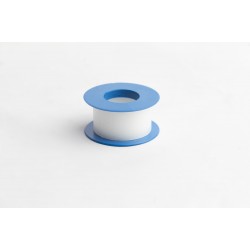

-250x250w.jpg "GAUZE ROLL Egypt size 7 cm")
-250x250w.jpg "compress with cover")


about product
Nitrogen Gas Regulator
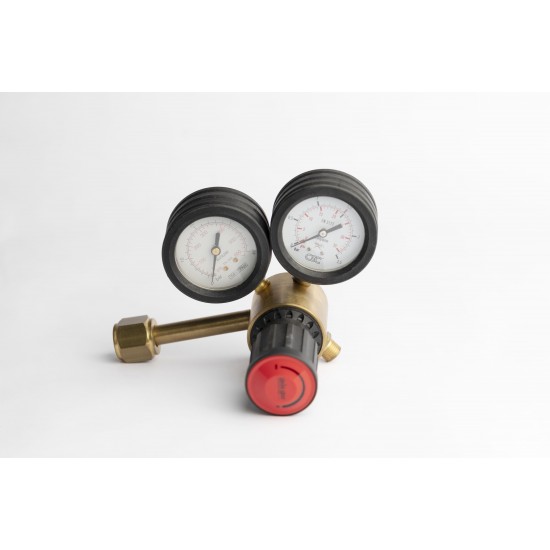
A nitrogen gas regulator is a device used to control the pressure of nitrogen gas released from a cylinder to ensure safe and appropriate usage. It is widely used in industrial, medical, and scientific applications that require a controlled and precise gas flow.
Components of a Nitrogen Gas Regulator:
- Regulator Body – Usually made of brass or stainless steel to withstand high pressure.
- Pressure Gauges:
- High-Pressure Gauge – Displays the pressure inside the nitrogen cylinder.
- Low-Pressure Gauge – Shows the regulated pressure being delivered to the equipment or process.
- Control Valve – Used to adjust the outgoing gas pressure as needed.
- Inlet Connection – Attaches to the nitrogen cylinder.
- Outlet Connection – Connects to hoses or equipment that require nitrogen supply.
Uses of a Nitrogen Gas Regulator:
✔ Metal Industry – Used in welding, cutting, and preventing metal oxidation.
✔ Food Industry – Used for food packaging and preservation by filling packages with nitrogen to extend shelf life.
✔ Laboratories – Used in chemical analysis and experiments requiring an oxygen-free environment.
✔ Automotive Industry – Used to inflate high-performance vehicle tires for better stability and reduced temperature fluctuations.
✔ HVAC & Refrigeration – Used for testing cooling systems and detecting leaks.
How to Choose the Right Nitrogen Gas Regulator:
✅ Determine the required operating pressure – Ensure the regulator supports the necessary pressure for your application.
✅ Material Durability – Choose a regulator made from corrosion-resistant materials.
✅ Connection Type – Ensure compatibility with your existing equipment and cylinder.
✅ Precision Control – Some applications require a regulator with very fine control over gas flow.
Safety Precautions When Using a Nitrogen Gas Regulator:
⚠ Ensure Proper Installation – Securely connect the regulator to the cylinder to prevent leaks.
⚠ Use in a Well-Ventilated Area – Nitrogen is non-toxic but can displace oxygen, posing a suffocation risk in enclosed spaces.
⚠ Avoid High Temperatures – Keep the cylinder and regulator away from heat sources or open flames.
⚠ Turn Off the Cylinder After Use – Prevents gas leaks and extends the lifespan of the regulator
- Stock: 1
Nitrogen Gas Regulator
A nitrogen gas regulator is a device used to control the pressure of nitrogen gas released from a cylinder to ensure safe and appropriate usage. It is widely used in industrial, medical, and scientific applications that require a controlled and precise gas flow.
Components of a Nitrogen Gas Regulator:
- Regulator Body – Usually made of brass or stainless steel to withstand high pressure.
- Pressure Gauges:
- High-Pressure Gauge – Displays the pressure inside the nitrogen cylinder.
- Low-Pressure Gauge – Shows the regulated pressure being delivered to the equipment or process.
- Control Valve – Used to adjust the outgoing gas pressure as needed.
- Inlet Connection – Attaches to the nitrogen cylinder.
- Outlet Connection – Connects to hoses or equipment that require nitrogen supply.
Uses of a Nitrogen Gas Regulator:
✔ Metal Industry – Used in welding, cutting, and preventing metal oxidation.
✔ Food Industry – Used for food packaging and preservation by filling packages with nitrogen to extend shelf life.
✔ Laboratories – Used in chemical analysis and experiments requiring an oxygen-free environment.
✔ Automotive Industry – Used to inflate high-performance vehicle tires for better stability and reduced temperature fluctuations.
✔ HVAC & Refrigeration – Used for testing cooling systems and detecting leaks.
How to Choose the Right Nitrogen Gas Regulator:
✅ Determine the required operating pressure – Ensure the regulator supports the necessary pressure for your application.
✅ Material Durability – Choose a regulator made from corrosion-resistant materials.
✅ Connection Type – Ensure compatibility with your existing equipment and cylinder.
✅ Precision Control – Some applications require a regulator with very fine control over gas flow.
Safety Precautions When Using a Nitrogen Gas Regulator:
⚠ Ensure Proper Installation – Securely connect the regulator to the cylinder to prevent leaks.
⚠ Use in a Well-Ventilated Area – Nitrogen is non-toxic but can displace oxygen, posing a suffocation risk in enclosed spaces.
⚠ Avoid High Temperatures – Keep the cylinder and regulator away from heat sources or open flames.
⚠ Turn Off the Cylinder After Use – Prevents gas leaks and extends the lifespan of the regulator