









-250x250w.jpg "GAUZE ROLL Egypt size 7 cm")
-250x250w.jpg "compress with cover")


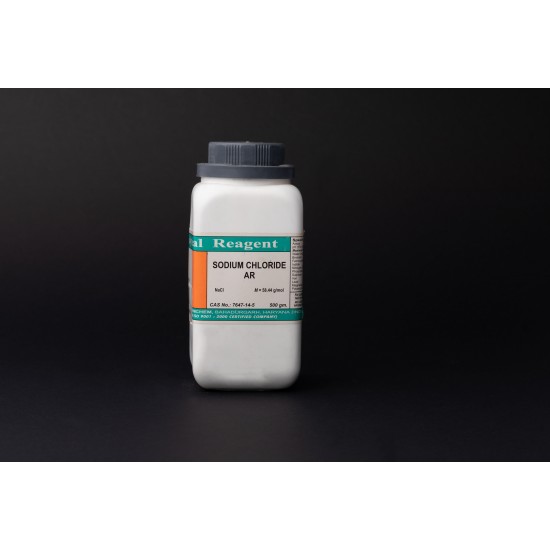

sodium chloride ar
about product
Sodium Chloride (NaCl) is a chemical compound made up of two elements: sodium (Na) and chlorine (Cl). Commonly known as salt, it is one of the most prevalent and widely used compounds in daily life.
Properties:
- Chemical Formula: NaCl
- Color: White
- Taste: Salty
- State: Solid at room temperature
- Solubility: Dissolves easily in water to form a saline solution.
- Composition: Consists of sodium ions (Na⁺) and chloride ions (Cl⁻) bonded together by ionic bonds.
Uses:
- In Food: Used as a seasoning and preservative, such as in preserving meats and other perishable foods.
- Medical Solutions: Used in saline solutions that are administered intravenously to treat dehydration and other medical conditions.
- Chemical Industries: Employed in chemical manufacturing, such as the production of caustic soda and in metal treatment processes.
- Agriculture: Sometimes used in fertilizers to enhance plant growth.
- Water Purification: Used in water treatment systems such as reverse osmosis.
Advantages:
- Natural Resource: Found abundantly in nature in seawater and some mineral deposits.
- Fluid Balance Regulation: Plays a vital role in maintaining fluid balance in the body by helping to regulate water absorption.
- Food Preservation: Effectively extends the shelf life of food by preventing bacterial growth.
Risks:
- Excessive Consumption: Consuming too much sodium chloride can lead to high blood pressure and increase the risk of cardiovascular diseases.
- Salt Poisoning: Excessive intake can cause imbalances in body fluids, leading to salt poisoning.
SAR 208.00
Ex Tax: SAR 208.00
- Stock: 2-3 Days
Sodium Chloride (NaCl) is a chemical compound made up of two elements: sodium (Na) and chlorine (Cl). Commonly known as salt, it is one of the most prevalent and widely used compounds in daily life.
Properties:
- Chemical Formula: NaCl
- Color: White
- Taste: Salty
- State: Solid at room temperature
- Solubility: Dissolves easily in water to form a saline solution.
- Composition: Consists of sodium ions (Na⁺) and chloride ions (Cl⁻) bonded together by ionic bonds.
Uses:
- In Food: Used as a seasoning and preservative, such as in preserving meats and other perishable foods.
- Medical Solutions: Used in saline solutions that are administered intravenously to treat dehydration and other medical conditions.
- Chemical Industries: Employed in chemical manufacturing, such as the production of caustic soda and in metal treatment processes.
- Agriculture: Sometimes used in fertilizers to enhance plant growth.
- Water Purification: Used in water treatment systems such as reverse osmosis.
Advantages:
- Natural Resource: Found abundantly in nature in seawater and some mineral deposits.
- Fluid Balance Regulation: Plays a vital role in maintaining fluid balance in the body by helping to regulate water absorption.
- Food Preservation: Effectively extends the shelf life of food by preventing bacterial growth.
Risks:
- Excessive Consumption: Consuming too much sodium chloride can lead to high blood pressure and increase the risk of cardiovascular diseases.
- Salt Poisoning: Excessive intake can cause imbalances in body fluids, leading to salt poisoning.