








-250x250w.jpg "GAUZE ROLL Egypt size 7 cm")
-250x250w.jpg "compress with cover")


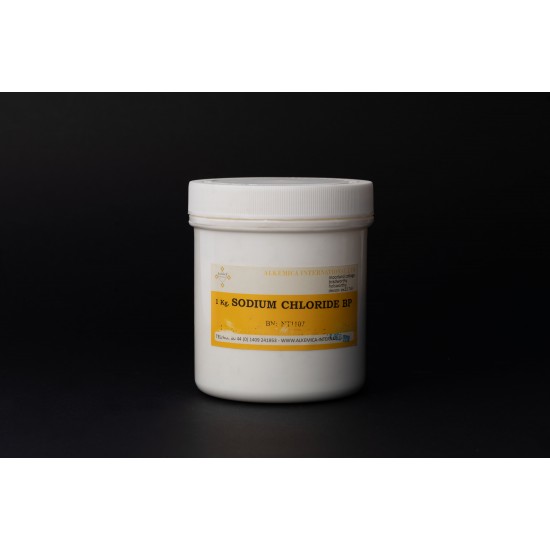

sodium chloride bp
about product
Sodium Chloride BP (British Pharmacopoeia) refers to a specific grade of sodium chloride that meets the standards and specifications set by the British Pharmacopoeia for use in pharmaceutical and medical applications. It is of high purity and is used in a variety of healthcare settings, including intravenous solutions and other medical treatments.
Properties of Sodium Chloride BP:
- Chemical Formula: NaCl
- Purity: High purity, typically 99% or higher, ensuring it is suitable for medical and pharmaceutical use.
- Form: Usually available in the form of white, crystalline powder or as a sterile solution.
- Sterility: When used in medical settings, it is typically provided as a sterile solution.
- pH Range: The pH is generally neutral, around 5.0 to 7.0, making it safe for use in intravenous infusions.
Uses of Sodium Chloride BP:
- Intravenous Solutions: Often used to prepare saline solutions (0.9% NaCl) for intravenous infusion to rehydrate patients or maintain electrolyte balance.
- Wound Irrigation: Used to irrigate wounds and clean medical equipment, providing a sterile, non-irritating solution.
- Dilution of Medications: Used to dilute medications for intravenous administration or to prepare solutions for injections.
- Eye Care: Used in some eye drops or saline solutions for rinsing eyes or cleaning contact lenses.
Advantages:
- Purity and Quality: Meets rigorous pharmacopoeial standards to ensure safety and effectiveness in medical and pharmaceutical applications.
- Versatile: Used in a wide range of medical treatments, including rehydration, wound care, and eye care.
- Sterile Solutions: Available in sterile forms, ensuring it is safe for direct administration into the body or used in medical procedures.
Risks:
- Overuse in Medical Applications: Excessive use, especially in IV fluids, can lead to an imbalance of electrolytes, causing conditions like hypernatremia (high sodium levels in the blood).
- Allergic Reactions: Although rare, some individuals may experience irritation or allergic reactions to sodium chloride.
SAR 234.00
Ex Tax: SAR 234.00
- Stock: 2-3 Days
Sodium Chloride BP (British Pharmacopoeia) refers to a specific grade of sodium chloride that meets the standards and specifications set by the British Pharmacopoeia for use in pharmaceutical and medical applications. It is of high purity and is used in a variety of healthcare settings, including intravenous solutions and other medical treatments.
Properties of Sodium Chloride BP:
- Chemical Formula: NaCl
- Purity: High purity, typically 99% or higher, ensuring it is suitable for medical and pharmaceutical use.
- Form: Usually available in the form of white, crystalline powder or as a sterile solution.
- Sterility: When used in medical settings, it is typically provided as a sterile solution.
- pH Range: The pH is generally neutral, around 5.0 to 7.0, making it safe for use in intravenous infusions.
Uses of Sodium Chloride BP:
- Intravenous Solutions: Often used to prepare saline solutions (0.9% NaCl) for intravenous infusion to rehydrate patients or maintain electrolyte balance.
- Wound Irrigation: Used to irrigate wounds and clean medical equipment, providing a sterile, non-irritating solution.
- Dilution of Medications: Used to dilute medications for intravenous administration or to prepare solutions for injections.
- Eye Care: Used in some eye drops or saline solutions for rinsing eyes or cleaning contact lenses.
Advantages:
- Purity and Quality: Meets rigorous pharmacopoeial standards to ensure safety and effectiveness in medical and pharmaceutical applications.
- Versatile: Used in a wide range of medical treatments, including rehydration, wound care, and eye care.
- Sterile Solutions: Available in sterile forms, ensuring it is safe for direct administration into the body or used in medical procedures.
Risks:
- Overuse in Medical Applications: Excessive use, especially in IV fluids, can lead to an imbalance of electrolytes, causing conditions like hypernatremia (high sodium levels in the blood).
- Allergic Reactions: Although rare, some individuals may experience irritation or allergic reactions to sodium chloride.