


-250x250w.jpg "GAUZE ROLL Egypt size 7 cm")
-250x250w.jpg "compress with cover")

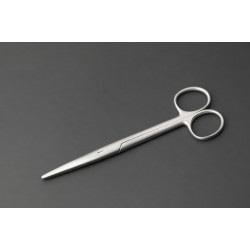


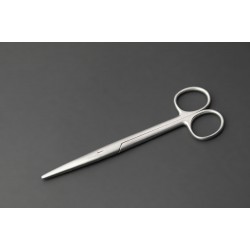
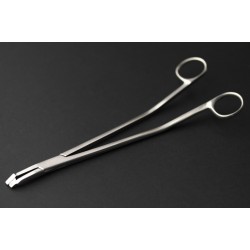
umbilical cord scissors
about product
A cord clamp scissors is a medical tool used to cut the umbilical cord after the birth of a baby. The umbilical cord is the tube that connects the baby to the placenta, providing nutrients and oxygen during pregnancy. After the baby is born, the cord is cut using a specialized scissors designed for this purpose.
Features of Umbilical Cord Scissors:
- Sharp and Precise Blades: The scissors are designed with sharp blades to ensure a clean and accurate cut of the umbilical cord.
- Ergonomic Handle: The handles are designed for ease of use and control during the cutting process.
- Sterile Materials: Typically made of medical-grade stainless steel, the scissors are sterilized to ensure safety and prevent infection.
- Single-use or Reusable: Some cord scissors are single-use, while others can be sterilized and reused.
How Umbilical Cord Scissors Are Used:
- After the Baby is Born: The scissors are used to cut the umbilical cord between the baby and the placenta once the cord has stopped pulsating.
- Determining the Cut Location: The healthcare provider carefully determines the ideal location for cutting the cord, ensuring both the mother and baby are safe.
- Cutting the Cord: Once the location is determined, the cord is cut with the scissors, and in some cases, a clamp may be applied to prevent bleeding before cutting.
Importance of Umbilical Cord Scissors:
- Safe Birth Process: It is essential for ensuring a safe and controlled separation of the baby from the placenta after birth.
- Infection Prevention: The scissors are sterilized to avoid any risk of infection for both the baby and the mother.
- Ease of Use: The scissors provide a simple and effective tool for healthcare professionals to perform the necessary procedure promptly.
Other Uses:
- Specialized Newborn Surgeries: Umbilical cord scissors may also be used in some specific neonatal surgical procedures.
SAR 51.75
Ex Tax: SAR 51.75
- Stock: 5
A cord clamp scissors is a medical tool used to cut the umbilical cord after the birth of a baby. The umbilical cord is the tube that connects the baby to the placenta, providing nutrients and oxygen during pregnancy. After the baby is born, the cord is cut using a specialized scissors designed for this purpose.
Features of Umbilical Cord Scissors:
- Sharp and Precise Blades: The scissors are designed with sharp blades to ensure a clean and accurate cut of the umbilical cord.
- Ergonomic Handle: The handles are designed for ease of use and control during the cutting process.
- Sterile Materials: Typically made of medical-grade stainless steel, the scissors are sterilized to ensure safety and prevent infection.
- Single-use or Reusable: Some cord scissors are single-use, while others can be sterilized and reused.
How Umbilical Cord Scissors Are Used:
- After the Baby is Born: The scissors are used to cut the umbilical cord between the baby and the placenta once the cord has stopped pulsating.
- Determining the Cut Location: The healthcare provider carefully determines the ideal location for cutting the cord, ensuring both the mother and baby are safe.
- Cutting the Cord: Once the location is determined, the cord is cut with the scissors, and in some cases, a clamp may be applied to prevent bleeding before cutting.
Importance of Umbilical Cord Scissors:
- Safe Birth Process: It is essential for ensuring a safe and controlled separation of the baby from the placenta after birth.
- Infection Prevention: The scissors are sterilized to avoid any risk of infection for both the baby and the mother.
- Ease of Use: The scissors provide a simple and effective tool for healthcare professionals to perform the necessary procedure promptly.
Other Uses:
- Specialized Newborn Surgeries: Umbilical cord scissors may also be used in some specific neonatal surgical procedures.