


-250x250w.jpg "GAUZE ROLL Egypt size 7 cm")
-250x250w.jpg "compress with cover")


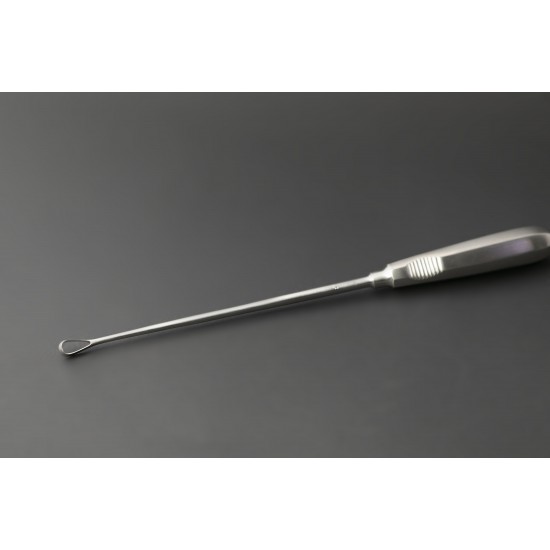

uterine curette 1
about product
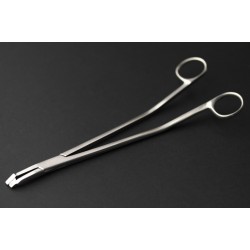
An uterine curette 1 is a surgical instrument used in gynecological procedures to scrape or remove tissue from the lining of the uterus (endometrium). It is commonly used in procedures such as dilation and curettage (D&C), which can be performed for diagnostic purposes or to treat various uterine conditions.
Features of Uterine Curette 1:
- Shape and Design: The curette typically has a long, slender handle with a small, looped or spoon-shaped end to allow for the gentle scraping of the uterine lining.
- Material: Uterine curettes are usually made from high-quality stainless steel to ensure strength, durability, and resistance to corrosion.
- Variety of Sizes: Curettes come in different sizes, with 1 often referring to a smaller or thinner instrument used for more delicate procedures.
- Sterilization: The curette is designed to be sterilized between uses to prevent the risk of infection during surgical procedures.
Common Uses of Uterine Curette 1:
- Dilation and Curettage (D&C): This procedure is often performed to remove abnormal tissue, such as in cases of miscarriage, heavy bleeding, or to diagnose certain uterine conditions.
- Endometrial Biopsy: A uterine curette may be used to collect tissue samples from the uterine lining for testing or to evaluate abnormal cells.
- Removal of Polyps or Retained Products: In cases where uterine polyps or remnants from a miscarriage are present, the curette helps in their removal.
- Treatment of Uterine Conditions: It is used to treat conditions like endometrial hyperplasia (thickening of the uterine lining) or to remove scar tissue inside the uterus.
Benefits:
- Precision: The curette allows healthcare providers to remove tissue from the uterus with precision, minimizing trauma to the surrounding areas.
- Safety: Used under controlled conditions with proper sterilization, the instrument helps reduce the risk of infection during gynecological procedures.
Risks and Considerations:
- Infection: If not properly sterilized, there is a risk of infection during the procedure.
- Uterine Injury: Although rare, the procedure can cause injury to the uterine walls if done incorrectly.
- Complications: There may be a risk of bleeding or scarring after the procedure.
SAR 74.75
Ex Tax: SAR 74.75
- Stock: 5
An uterine curette 1 is a surgical instrument used in gynecological procedures to scrape or remove tissue from the lining of the uterus (endometrium). It is commonly used in procedures such as dilation and curettage (D&C), which can be performed for diagnostic purposes or to treat various uterine conditions.
Features of Uterine Curette 1:
- Shape and Design: The curette typically has a long, slender handle with a small, looped or spoon-shaped end to allow for the gentle scraping of the uterine lining.
- Material: Uterine curettes are usually made from high-quality stainless steel to ensure strength, durability, and resistance to corrosion.
- Variety of Sizes: Curettes come in different sizes, with 1 often referring to a smaller or thinner instrument used for more delicate procedures.
- Sterilization: The curette is designed to be sterilized between uses to prevent the risk of infection during surgical procedures.
Common Uses of Uterine Curette 1:
- Dilation and Curettage (D&C): This procedure is often performed to remove abnormal tissue, such as in cases of miscarriage, heavy bleeding, or to diagnose certain uterine conditions.
- Endometrial Biopsy: A uterine curette may be used to collect tissue samples from the uterine lining for testing or to evaluate abnormal cells.
- Removal of Polyps or Retained Products: In cases where uterine polyps or remnants from a miscarriage are present, the curette helps in their removal.
- Treatment of Uterine Conditions: It is used to treat conditions like endometrial hyperplasia (thickening of the uterine lining) or to remove scar tissue inside the uterus.
Benefits:
- Precision: The curette allows healthcare providers to remove tissue from the uterus with precision, minimizing trauma to the surrounding areas.
- Safety: Used under controlled conditions with proper sterilization, the instrument helps reduce the risk of infection during gynecological procedures.
Risks and Considerations:
- Infection: If not properly sterilized, there is a risk of infection during the procedure.
- Uterine Injury: Although rare, the procedure can cause injury to the uterine walls if done incorrectly.
- Complications: There may be a risk of bleeding or scarring after the procedure.