

-250x250w.jpg "GAUZE ROLL Egypt size 7 cm")
-250x250w.jpg "compress with cover")



uterine curette 3
about product
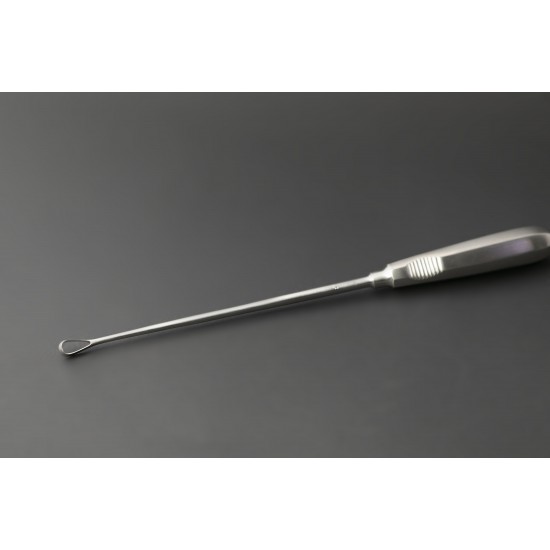
Uterine Curette 3 is another variant of the uterine curette, typically designed for specific gynecological procedures to scrape or remove tissue from the lining of the uterus (endometrium). It may differ slightly in size or design compared to other types, often depending on the nature of the procedure or the needs of the patient.
Features of Uterine Curette 3:
- Shape and Design: The curette typically has a long, slender handle with a spoon-shaped or looped end for precise scraping of the uterine lining. The "3" version may indicate a slightly larger or more specialized curette.
- Material: Uterine curettes are generally made from high-quality stainless steel, ensuring durability, resistance to corrosion, and ease of sterilization.
- Sterile: The curette is sterilized before use to reduce the risk of infection during medical procedures.
- Size: The "3" typically refers to the size or the specific design intended for a broader range of procedures or deeper tissue removal compared to smaller curettes.
Common Uses of Uterine Curette 3:
- Dilation and Curettage (D&C): This procedure is used to remove abnormal or diseased tissue from the uterus, such as after a miscarriage, for diagnosing uterine conditions, or to treat heavy bleeding.
- Endometrial Biopsy: Uterine curette 3 is used to remove tissue samples from the endometrium for further examination, particularly when cancer or abnormal cell growth is suspected.
- Removal of Polyps or Retained Tissue: The curette helps remove uterine polyps, leftover tissue after a miscarriage, or remnants after an abortion.
- Treatment of Uterine Conditions: It is used in treating conditions such as endometrial hyperplasia (thickening of the uterine lining) or to remove scar tissue in the uterus.
Benefits:
- Precision: The curette provides a controlled and precise method of tissue removal, minimizing the potential for damage to surrounding tissues.
- Safety: When properly sterilized, it ensures minimal risk of infection during medical procedures.
- Versatility: The uterine curette 3 can be used for a wider range of gynecological conditions, making it an essential tool for treatment and diagnosis.
Risks and Considerations:
- Infection: If the curette is not properly sterilized, there is a risk of introducing bacteria into the uterus.
- Uterine Injury: Although rare, improper use of the curette can cause injury to the uterine walls.
- Bleeding: Some bleeding may occur after the procedure, but in rare cases, excessive bleeding could happen, leading to complications
SAR 74.75
Ex Tax: SAR 74.75
- Stock: 3
Uterine Curette 3 is another variant of the uterine curette, typically designed for specific gynecological procedures to scrape or remove tissue from the lining of the uterus (endometrium). It may differ slightly in size or design compared to other types, often depending on the nature of the procedure or the needs of the patient.
Features of Uterine Curette 3:
- Shape and Design: The curette typically has a long, slender handle with a spoon-shaped or looped end for precise scraping of the uterine lining. The "3" version may indicate a slightly larger or more specialized curette.
- Material: Uterine curettes are generally made from high-quality stainless steel, ensuring durability, resistance to corrosion, and ease of sterilization.
- Sterile: The curette is sterilized before use to reduce the risk of infection during medical procedures.
- Size: The "3" typically refers to the size or the specific design intended for a broader range of procedures or deeper tissue removal compared to smaller curettes.
Common Uses of Uterine Curette 3:
- Dilation and Curettage (D&C): This procedure is used to remove abnormal or diseased tissue from the uterus, such as after a miscarriage, for diagnosing uterine conditions, or to treat heavy bleeding.
- Endometrial Biopsy: Uterine curette 3 is used to remove tissue samples from the endometrium for further examination, particularly when cancer or abnormal cell growth is suspected.
- Removal of Polyps or Retained Tissue: The curette helps remove uterine polyps, leftover tissue after a miscarriage, or remnants after an abortion.
- Treatment of Uterine Conditions: It is used in treating conditions such as endometrial hyperplasia (thickening of the uterine lining) or to remove scar tissue in the uterus.
Benefits:
- Precision: The curette provides a controlled and precise method of tissue removal, minimizing the potential for damage to surrounding tissues.
- Safety: When properly sterilized, it ensures minimal risk of infection during medical procedures.
- Versatility: The uterine curette 3 can be used for a wider range of gynecological conditions, making it an essential tool for treatment and diagnosis.
Risks and Considerations:
- Infection: If the curette is not properly sterilized, there is a risk of introducing bacteria into the uterus.
- Uterine Injury: Although rare, improper use of the curette can cause injury to the uterine walls.
- Bleeding: Some bleeding may occur after the procedure, but in rare cases, excessive bleeding could happen, leading to complications