


-250x250w.jpg "GAUZE ROLL Egypt size 7 cm")
-250x250w.jpg "compress with cover")



about product
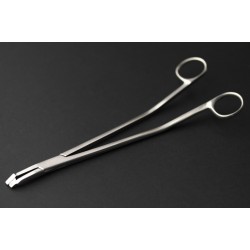
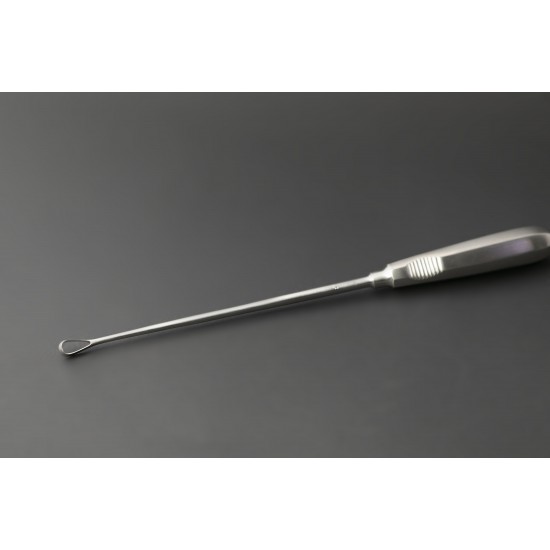
Uterine Curette 6 is a gynecological instrument used for scraping or removing tissue from the uterine lining (endometrium). It is commonly utilized in dilation and curettage (D&C) procedures, endometrial biopsies, and the removal of abnormal tissues from the uterus.
Features of Uterine Curette 6:
Design and Shape: It has a long, slender handle with a looped or spoon-shaped tip, allowing controlled and precise tissue scraping. The number 6 typically refers to a specific size or type of curette.
Material: Made of high-quality stainless steel, ensuring durability, corrosion resistance, and ease of sterilization.
Sterile: The curette is sterilized before use to prevent infections.
Size and Usage: The larger size of curette 6 makes it suitable for procedures requiring deeper or more extensive tissue removal.
Common Uses of Uterine Curette 6:
✅ Dilation and Curettage (D&C): Used to remove abnormal tissues, such as after a miscarriage, for diagnosing uterine conditions, or for treating abnormal bleeding.
✅ Endometrial Biopsy: Helps obtain tissue samples for testing, especially when cancerous growths or abnormal cells are suspected.
✅ Removal of Polyps or Retained Tissue: Used to remove fibroids, retained tissue post-miscarriage, or placental remains after childbirth.
✅ Treatment of Uterine Conditions: Such as endometrial hyperplasia (thickened uterine lining) or uterine adhesions and scarring removal.
Benefits:
✔ High Precision – Ensures accurate tissue removal while minimizing damage to surrounding areas.
✔ Safe and Effective – When properly sterilized, it reduces the risk of infections.
✔ Versatile – Suitable for various diagnostic and therapeutic gynecological procedures.
Risks and Considerations:
⚠ Infection – If not sterilized properly, it may lead to uterine infections.
⚠ Uterine Injury – Improper use may result in scratches or perforation of the uterine wall.
⚠ Bleeding – Some mild bleeding may occur after the procedure, but excessive bleeding is rare.
- Stock: 2
Uterine Curette 6 is a gynecological instrument used for scraping or removing tissue from the uterine lining (endometrium). It is commonly utilized in dilation and curettage (D&C) procedures, endometrial biopsies, and the removal of abnormal tissues from the uterus.
Features of Uterine Curette 6:
Design and Shape: It has a long, slender handle with a looped or spoon-shaped tip, allowing controlled and precise tissue scraping. The number 6 typically refers to a specific size or type of curette.
Material: Made of high-quality stainless steel, ensuring durability, corrosion resistance, and ease of sterilization.
Sterile: The curette is sterilized before use to prevent infections.
Size and Usage: The larger size of curette 6 makes it suitable for procedures requiring deeper or more extensive tissue removal.
Common Uses of Uterine Curette 6:
✅ Dilation and Curettage (D&C): Used to remove abnormal tissues, such as after a miscarriage, for diagnosing uterine conditions, or for treating abnormal bleeding.
✅ Endometrial Biopsy: Helps obtain tissue samples for testing, especially when cancerous growths or abnormal cells are suspected.
✅ Removal of Polyps or Retained Tissue: Used to remove fibroids, retained tissue post-miscarriage, or placental remains after childbirth.
✅ Treatment of Uterine Conditions: Such as endometrial hyperplasia (thickened uterine lining) or uterine adhesions and scarring removal.
Benefits:
✔ High Precision – Ensures accurate tissue removal while minimizing damage to surrounding areas.
✔ Safe and Effective – When properly sterilized, it reduces the risk of infections.
✔ Versatile – Suitable for various diagnostic and therapeutic gynecological procedures.
Risks and Considerations:
⚠ Infection – If not sterilized properly, it may lead to uterine infections.
⚠ Uterine Injury – Improper use may result in scratches or perforation of the uterine wall.
⚠ Bleeding – Some mild bleeding may occur after the procedure, but excessive bleeding is rare.