





-250x250w.jpg "GAUZE ROLL Egypt size 7 cm")
-250x250w.jpg "compress with cover")





about product
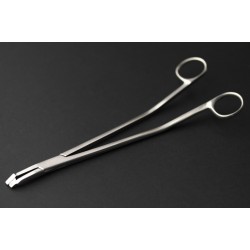
A uterine sound is a medical instrument used in gynecology to measure the depth and direction of the uterine cavity. It is commonly used during various diagnostic and therapeutic procedures, such as:
Intrauterine Device (IUD) Insertion – To measure the depth of the uterus before inserting an IUD.
Dilation and Curettage (D&C) – To assess the uterus before performing procedures like D&C.
Hysteroscopy – To prepare for a hysteroscopic examination or surgery.
Endometrial Biopsy – Sometimes used to help guide the placement of the biopsy device.
Features of a Uterine Sound:
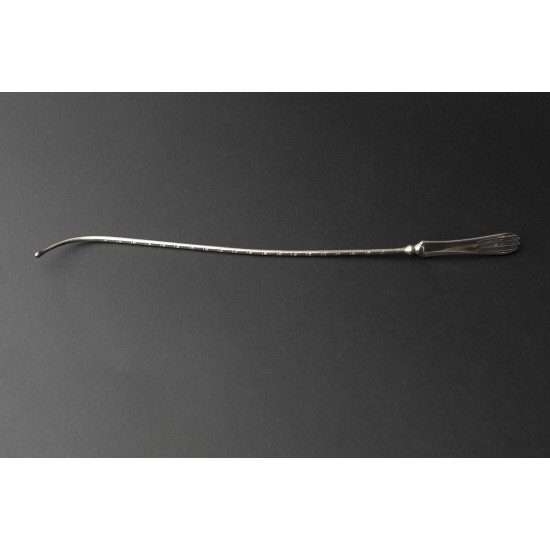
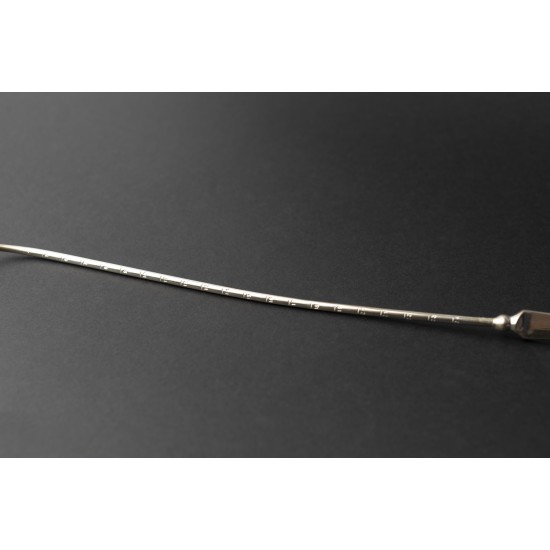
Design and Shape: The uterine sound typically has a thin, flexible, and sterile rod or probe, often curved at one end for easy insertion. It usually has a measurement scale along the length to track the depth.
Material: It is commonly made of stainless steel, ensuring durability, resistance to corrosion, and easy sterilization.
Length and Calibration: The instrument often ranges from 20 to 30 cm in length, and the scale allows the physician to determine the depth of the uterus.
Uses of Uterine Sound:
Measuring Uterine Depth: The uterine sound helps measure the length of the uterine cavity, which is essential for accurate IUD insertion, ensuring it is placed in the correct position.
Guiding Procedures: It aids in guiding the placement of medical instruments during procedures like D&C, biopsy, or hysteroscopy.
Assessing Uterine Health: It can help detect any abnormalities in the shape or structure of the uterus, such as adhesions or septa, before performing certain surgeries.
Benefits:
Accurate Measurement: Provides a precise measurement of uterine depth, aiding in safe and effective procedures.
Minimal Discomfort: When used properly, it generally causes minimal discomfort for the patient.
Versatile: Useful in a wide range of gynecological procedures.
Risks and Considerations:
Infection: If not properly sterilized, the uterine sound could introduce bacteria into the uterus, leading to infection.
Uterine Injury: Improper use or insertion could lead to trauma or injury to the uterine wall or cervix.
Pain or Discomfort: While generally minimal, some patients may experience cramping or discomfort during the insertion.
- Stock: 5
A uterine sound is a medical instrument used in gynecology to measure the depth and direction of the uterine cavity. It is commonly used during various diagnostic and therapeutic procedures, such as:
Intrauterine Device (IUD) Insertion – To measure the depth of the uterus before inserting an IUD.
Dilation and Curettage (D&C) – To assess the uterus before performing procedures like D&C.
Hysteroscopy – To prepare for a hysteroscopic examination or surgery.
Endometrial Biopsy – Sometimes used to help guide the placement of the biopsy device.
Features of a Uterine Sound:
Design and Shape: The uterine sound typically has a thin, flexible, and sterile rod or probe, often curved at one end for easy insertion. It usually has a measurement scale along the length to track the depth.
Material: It is commonly made of stainless steel, ensuring durability, resistance to corrosion, and easy sterilization.
Length and Calibration: The instrument often ranges from 20 to 30 cm in length, and the scale allows the physician to determine the depth of the uterus.
Uses of Uterine Sound:
Measuring Uterine Depth: The uterine sound helps measure the length of the uterine cavity, which is essential for accurate IUD insertion, ensuring it is placed in the correct position.
Guiding Procedures: It aids in guiding the placement of medical instruments during procedures like D&C, biopsy, or hysteroscopy.
Assessing Uterine Health: It can help detect any abnormalities in the shape or structure of the uterus, such as adhesions or septa, before performing certain surgeries.
Benefits:
Accurate Measurement: Provides a precise measurement of uterine depth, aiding in safe and effective procedures.
Minimal Discomfort: When used properly, it generally causes minimal discomfort for the patient.
Versatile: Useful in a wide range of gynecological procedures.
Risks and Considerations:
Infection: If not properly sterilized, the uterine sound could introduce bacteria into the uterus, leading to infection.
Uterine Injury: Improper use or insertion could lead to trauma or injury to the uterine wall or cervix.
Pain or Discomfort: While generally minimal, some patients may experience cramping or discomfort during the insertion.