

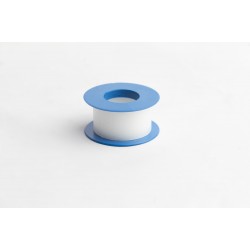
-250x250w.jpg "GAUZE ROLL Egypt size 7 cm")
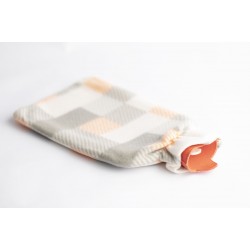
-250x250w.jpg "compress with cover")




about product
Obwegeser refers to Obwegeser osteotomy, a surgical procedure primarily used in oral and maxillofacial surgery, particularly for correcting jaw deformities. The technique is named after Dr. Obwegeser, who pioneered this method.
Obwegeser Osteotomy:
This procedure involves surgical repositioning of the jaw, typically the mandible (lower jaw) or maxilla (upper jaw). It is often used in cases where there is a misalignment of the jaws due to congenital issues, trauma, or other factors.
Types of Obwegeser Osteotomy:
- Obwegeser Mandibular Osteotomy: This is typically performed to correct mandibular prognathism (a condition where the lower jaw protrudes), often in combination with other procedures for facial aesthetics or functional improvement.
- Obwegeser Maxillary Osteotomy: Sometimes used in cases of maxillary hypoplasia (underdeveloped upper jaw), this procedure is used to realign the upper jaw to improve bite and facial appearance.
Benefits of Obwegeser Osteotomy:
- Improves Functionality: Can restore normal jaw function, including bite correction, and alleviate difficulties in speaking, chewing, or swallowing.
- Aesthetic Enhancement: Contributes to improved facial appearance, balancing the proportions of the face, particularly in cases of jaw discrepancies.
- Long-Term Results: When performed properly, the results can be permanent and provide significant improvement in both function and appearance.
Risks:
- Infection: As with any surgery, there is a risk of infection.
- Nerve Damage: There’s a possibility of injury to the nerves in the jaw, potentially causing temporary or permanent numbness.
- Relapse: In some cases, the jaw might return to its previous position after surgery.
- Stock: 5
Obwegeser refers to Obwegeser osteotomy, a surgical procedure primarily used in oral and maxillofacial surgery, particularly for correcting jaw deformities. The technique is named after Dr. Obwegeser, who pioneered this method.
Obwegeser Osteotomy:
This procedure involves surgical repositioning of the jaw, typically the mandible (lower jaw) or maxilla (upper jaw). It is often used in cases where there is a misalignment of the jaws due to congenital issues, trauma, or other factors.
Types of Obwegeser Osteotomy:
- Obwegeser Mandibular Osteotomy: This is typically performed to correct mandibular prognathism (a condition where the lower jaw protrudes), often in combination with other procedures for facial aesthetics or functional improvement.
- Obwegeser Maxillary Osteotomy: Sometimes used in cases of maxillary hypoplasia (underdeveloped upper jaw), this procedure is used to realign the upper jaw to improve bite and facial appearance.
Benefits of Obwegeser Osteotomy:
- Improves Functionality: Can restore normal jaw function, including bite correction, and alleviate difficulties in speaking, chewing, or swallowing.
- Aesthetic Enhancement: Contributes to improved facial appearance, balancing the proportions of the face, particularly in cases of jaw discrepancies.
- Long-Term Results: When performed properly, the results can be permanent and provide significant improvement in both function and appearance.
Risks:
- Infection: As with any surgery, there is a risk of infection.
- Nerve Damage: There’s a possibility of injury to the nerves in the jaw, potentially causing temporary or permanent numbness.
- Relapse: In some cases, the jaw might return to its previous position after surgery.